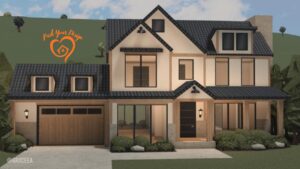
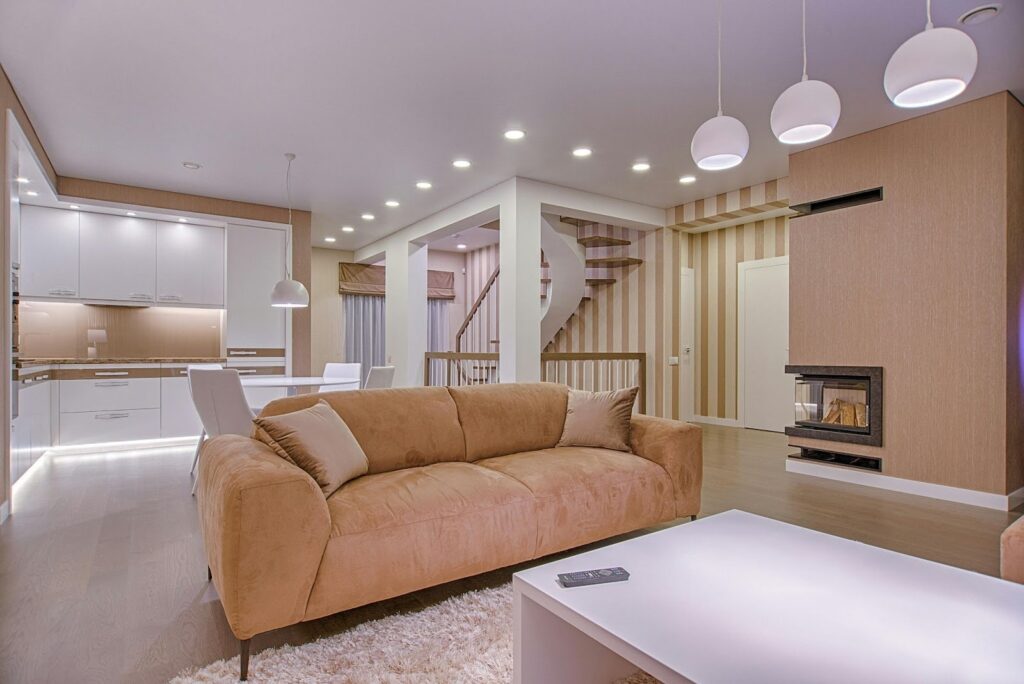
Open floor plans did not appear overnight. Older homes were designed around separate rooms, each with a clear purpose and physical boundary. Kitchens were closed off. Dining rooms had walls. Living rooms stood apart. Over time, people began to prefer openness, connection, and flexibility. Today, removing walls has become a defining part of modern renovation culture. Homeowners want kitchens that flow into living spaces and social areas, creating a unified feel rather than fragmentation. But removing walls is not just a design decision. It changes how a building behaves structurally, visually, and emotionally.
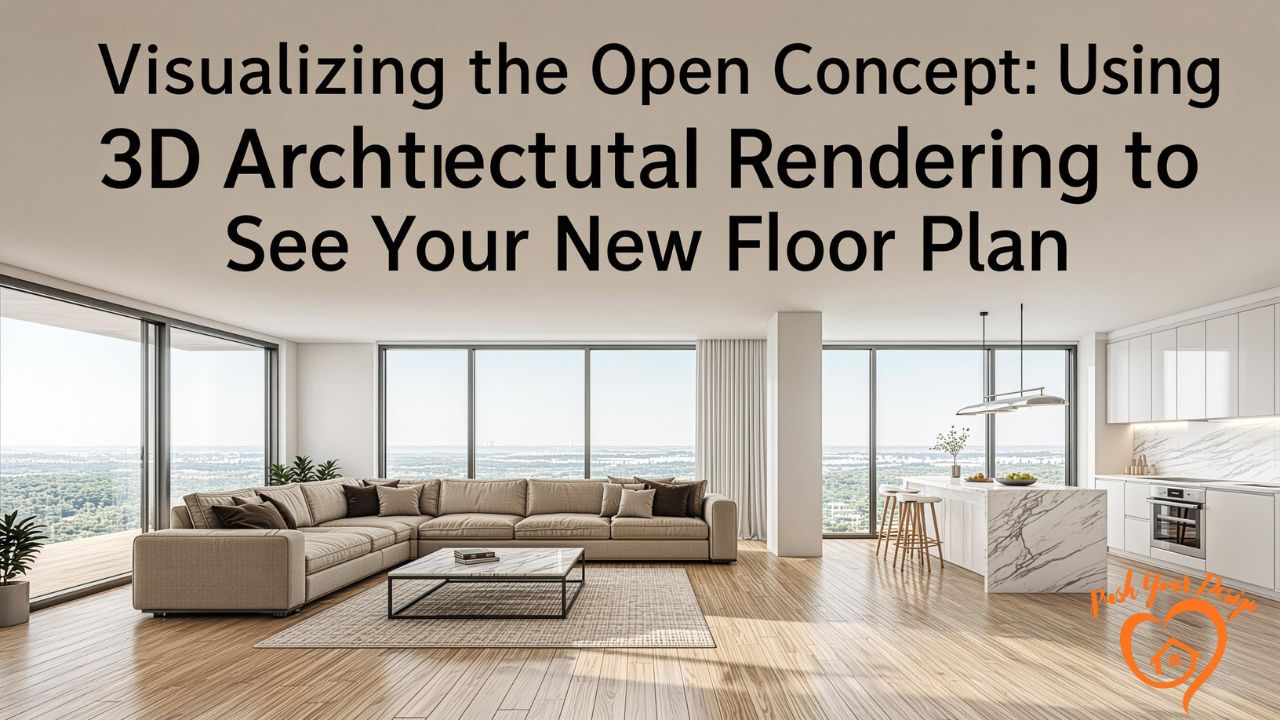
This is where both a 3d rendering studio and 3d architectural rendering become essential. These tools allow homeowners and developers to see the outcome before demolition begins. Instead of relying on imagination, they can explore the open concept as a complete environment. They see how space expands, how light travels, and how movement feels. This reduces uncertainty. It also prevents mistakes. What used to be considered an optional luxury has become a standard planning step for anyone serious about structural renovations.
The Structural Reality of Removing Walls
Removing a wall affects more than appearance. Some walls carry weight from floors, roofs, or upper levels. Eliminating them without planning can create serious structural risks. A rendering helps visualize these changes clearly. It shows where beams must be added and how support systems integrate into the design. Instead of reading engineering notes, homeowners see the outcome visually. This helps them understand trade-offs and structural logic.
A professional 3d rendering firm converts technical engineering requirements into understandable visuals. Steel beams, columns, and structural reinforcements become visible parts of the design rather than abstract technical notes. This makes communication easier between engineers, contractors, and owners. Everyone sees the same version of reality. It builds confidence. It also prevents costly misunderstandings.
Simulating the Natural Flow of Light
Light defines how an open space feels. Without walls, light travels differently. Some areas become brighter, while others fall into shadow. Rendering software simulates sunlight at different times of day and across seasons. This helps homeowners understand how the space behaves in real conditions.
A reliable 3d rendering company calculates light bounce, reflections, and exposure. It shows how sunlight interacts with surfaces like wood, glass, and stone. This level of accuracy ensures that open layouts feel balanced instead of overwhelming. It helps guide window placement, material choices, and layout decisions.
Defining Zones Without Physical Borders
Open layouts still need organization. Cooking, dining, and relaxation must occur within a single continuous area. Visualization helps define these zones without physical barriers. Floor textures, ceiling levels, and furniture placement create subtle divisions. The result feels structured without feeling closed.
A skilled 3d visualisation company helps designers and homeowners create invisible boundaries. Materials guide the eye naturally. Lighting creates focal points. These elements help maintain clarity and function inside open layouts.
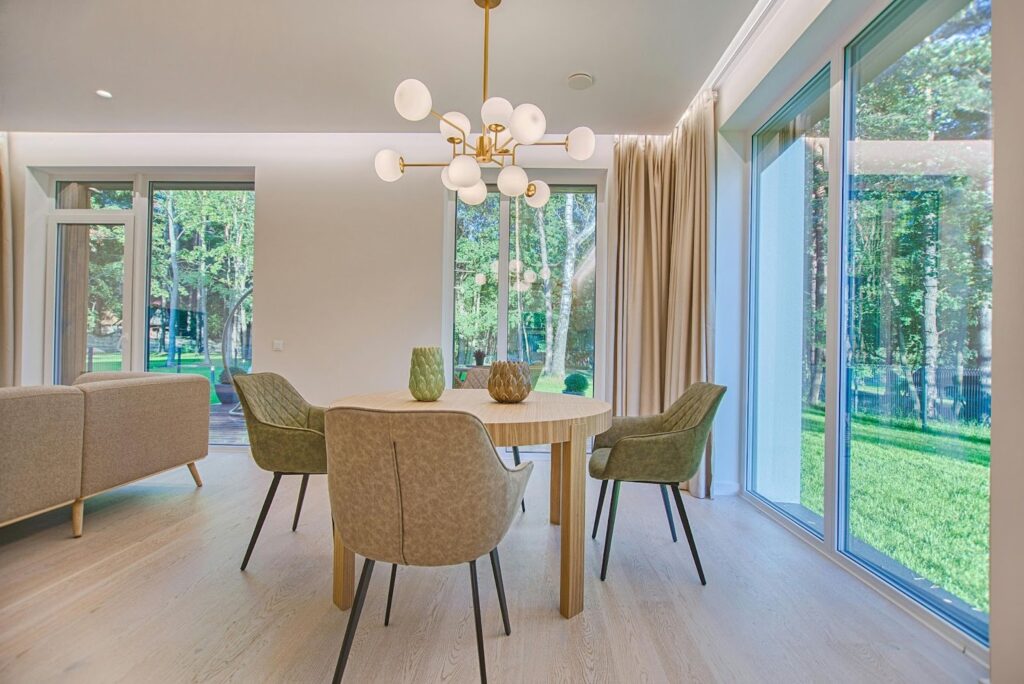
Key Benefits of 3D Visualization for Open Floor Plans
Visualization offers clear practical advantages. It allows people to test ideas safely before construction begins. This reduces financial risk and improves design outcomes. Working with architectural visualization services helps ensure that the final design aligns with expectations.
• Identifying areas that feel unused or inefficient.
• Testing kitchen layouts and circulation paths.
• Evaluating visual impact from entry points.
• Comparing beam styles and structural finishes.
• Helping contractors understand the intended design clearly.
The Psychology of Space and Volume
Seeing space in three dimensions changes emotional perception. Flat drawings cannot communicate scale effectively. Visualization helps homeowners understand how large the space truly feels. It builds confidence and excitement.
High-quality 3d architectural visualizations also reveal potential problems early. Acoustic issues, privacy concerns, and layout discomfort become visible. This allows proactive solutions before construction begins.
From CAD to Reality: The Technical Workflow
The process begins with architectural CAD drawings. These provide precise measurements. Specialists convert these into detailed digital models. Every surface, material, and structural element is recreated accurately.
Professional 3d architectural visualization services apply realistic materials and lighting physics. This ensures the model behaves as the physical structure does. Accuracy prevents mistakes and supports confident decision-making.
Cost-Benefit Analysis of Rendering in Major Renovations
Renovation mistakes can be expensive. Moving or restoring walls is time-consuming and costly. Visualization prevents these issues by allowing adjustments in a digital environment. It acts as a form of planning insurance.
Working with a qualified 3d rendering studio allows homeowners to finalize design decisions before construction begins. This reduces risk and protects the renovation investment.
Conclusion
Open floor plans represent freedom, flexibility, and modern living. But they also require careful planning. Visualization bridges the gap between concept and reality. It ensures that structural integrity, lighting, and flow work together.
Ultimately, 3D architectural rendering allows homeowners to visualize and refine their future space before any physical changes occur. It transforms uncertainty into clarity and enables confident renovation.