
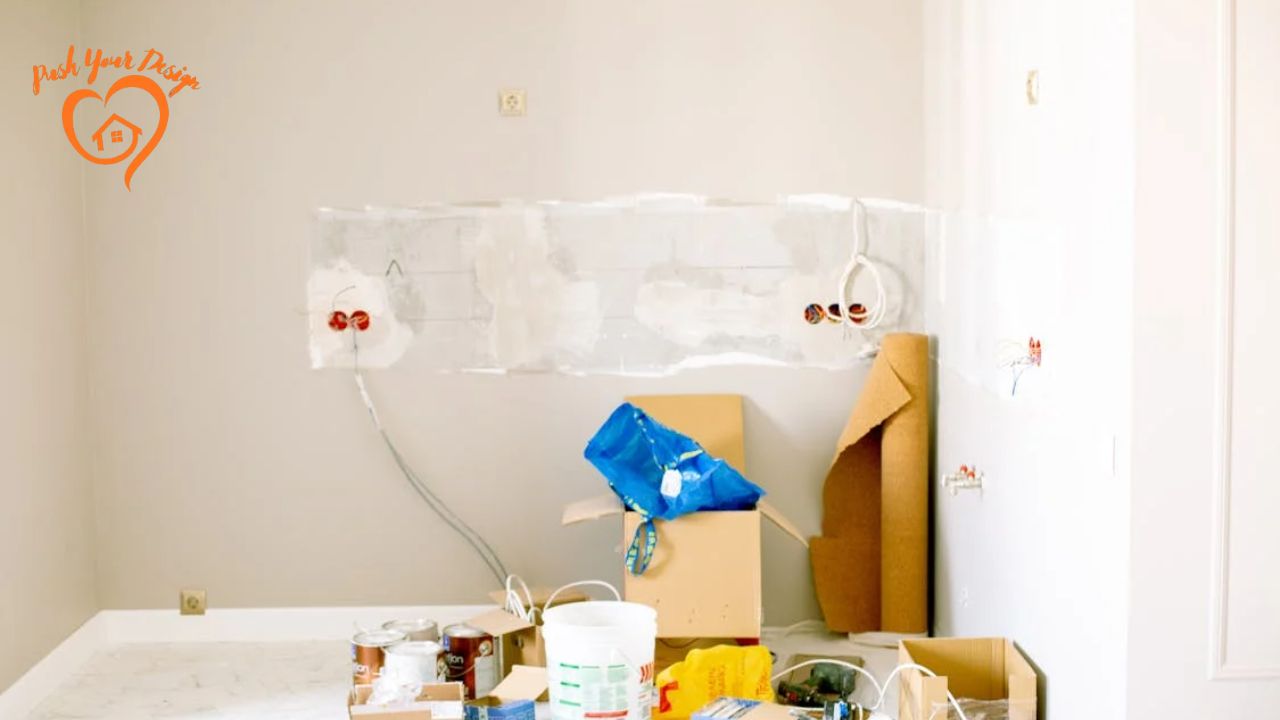
Major home renovations call for thoughtful groundwork long before the first hammer swings. Homeowners benefit from stepping back and evaluating what they hope to accomplish, how the changes will support long-term goals, and what the financial commitment will look like. Careful preparation helps eliminate confusion once projects are underway.
A clear understanding of needs, preferred timelines, and expected outcomes creates a foundation that keeps stress levels down. Budget reviews, early conversations with contractors, and awareness of local regulations all contribute to a stronger starting point. Let us elaborate on how this preparation helps guide smarter decisions throughout the renovation process.
Planning a Clear Renovation Strategy
A well-defined renovation strategy sets the tone for the entire project. Homeowners should start by deciding which updates matter most and how each one supports the property’s long-term potential. A focused approach prevents scattered spending and helps keep the project within scope. Timelines deserve equal attention, since delays can affect living arrangements and overall expenses.
Contractor selection becomes easier when expectations are already mapped out. Homeowners gain clarity when they request detailed proposals that outline materials, estimated completion dates, and projected costs. These early conversations build trust and reduce the chance of misunderstandings.
Understanding Financing Options for Large Projects
Large renovation projects often require funding beyond regular savings. Homeowners may explore options such as lines of credit or structured financing that spread costs over time. Comparing interest rates, repayment schedules, and flexibility helps determine which approach best fits the scope of the project.
Homeowners also choose to apply for a home equity loan when they want a financing option tied to their property’s value. This approach can offer predictable payments and support larger improvements. With careful planning, the right financing choice can meet immediate renovation needs while maintaining long-term financial stability.
Assessing Structural and Safety Requirements
Major renovations demand a strong focus on safety and structural integrity. Early assessments help reveal potential issues that could affect costs or timelines. Homeowners benefit from professional evaluations that take a close look at electrical systems, plumbing networks, and foundational stability. These elements often determine the scope of the work and guide decisions on materials and layout.
Local regulations may call for permits or scheduled inspections. A clear understanding of these requirements keeps the project compliant and prevents delays. Structural considerations also influence future maintenance, so thoughtful attention at this stage helps protect the home for years to come.
Upgrading Kitchens for Better Functionality
Kitchen renovations remain one of the most rewarding home improvement projects. A successful update balances style with daily practicality. Layout choices often revolve around creating a smoother workflow, which can include repositioning appliances or expanding counter space. Cabinets play a major role as well, since they shape storage capacity and overall organization.
Durable materials help the kitchen stand up to frequent use. Homeowners often choose surfaces that resist stains, scratches, and heat so the space remains attractive over time. Lighting deserves careful thought since it influences mood and visibility. Each decision contributes to a kitchen that supports both everyday routines and special gatherings.
Enhancing Bathrooms for Comfort and Value
Bathroom upgrades can elevate comfort and increase property value. Moisture control sits at the center of most decisions, since humidity affects everything from fixtures to flooring. Strong ventilation systems help maintain air quality and reduce long-term wear. Water-efficient fixtures contribute to a more responsible and cost-effective setup.
Material choice matters just as much. Surfaces that handle steam, splashes, and daily cleaning create a sturdy, low-maintenance environment. Thoughtful touches such as improved lighting or more accessible layouts bring a sense of ease to the space. A well-planned bathroom renovation blends functionality with lasting comfort.
Expanding Living Space Through Additions
Home additions offer a practical way to create more room without moving to a new property. Homeowners often consider extra bedrooms, expanded family areas, or dedicated workspaces when household needs change. Each of these ideas brings its own set of considerations, so a careful review of existing structural elements helps determine what is feasible. Rooflines, foundations, and utility connections influence the project’s direction and help shape a realistic plan.
Design choices should complement the home’s original character. A well-matched addition feels natural and avoids the sense that two different styles were forced together. HVAC adjustments may also be necessary, which means early planning helps prevent surprises once construction begins. A thoughtful approach makes the added space feel cohesive and comfortable.
Improving Energy Efficiency Throughout the Home
Energy-efficient upgrades support long-term comfort and savings. Many homeowners start with insulation since proper coverage helps regulate indoor temperatures throughout the year. Window and door replacements provide another strong boost to efficiency, especially when older models allow drafts or heat loss.
Heating and cooling systems deserve attention as well. Modern equipment often performs better and uses less energy, which provides ongoing value. Lighting updates fit naturally into this effort, since efficient bulbs and smart controls create a balanced mix of convenience and reduced energy use.
Maintaining Project Momentum and Communication
Strong communication habits play a major role in keeping large renovations on track. Regular check-ins with contractors help clarify progress, upcoming steps, and any adjustments that need attention. Homeowners avoid confusion when they keep records of conversations, invoices, and agreed-upon changes.
Projects of this scale can disrupt daily routines, so organized planning helps families stay comfortable. Temporary rearrangements or alternative living arrangements might be necessary, and each decision benefits from early discussion. Clear communication supports smoother workflows and helps prevent unnecessary delays, leading to a more manageable renovation experience.
Major home improvement projects feel far more achievable with the right preparation and a clear sense of direction. Thoughtful planning, practical budgeting, and steady communication keep the process organized and reduce stress along the way. Each phase of renovation becomes easier to navigate when homeowners understand the purpose behind their decisions and maintain realistic expectations.
A careful approach ensures the final result reflects both long-term goals and day-to-day needs. Renovations of any size can transform a home, and the strongest outcomes come from steady planning and purposeful choices.
Admin Recommendation
PushYourDesignFinteriors: Where Bold Ideas Meet Beautiful Spaces