Introduction
There’s a quiet thrill in imagining a home that finally fits your life—your routines, your family, your budget, your future. For many homeowners and builders, the journey starts with one practical question: what does the right three bedroom self contain plan actually look like?
A well-designed three bedroom self contain plan is more than walls and doors. It’s about privacy when you need it, shared spaces that feel natural, and a layout that works whether you’re raising children, hosting guests, or planning for rental income.
In reality, choosing the wrong plan often leads to wasted space, higher construction costs, and daily frustrations that slowly wear you down. That’s why understanding this type of layout before building is far more important than most people think.
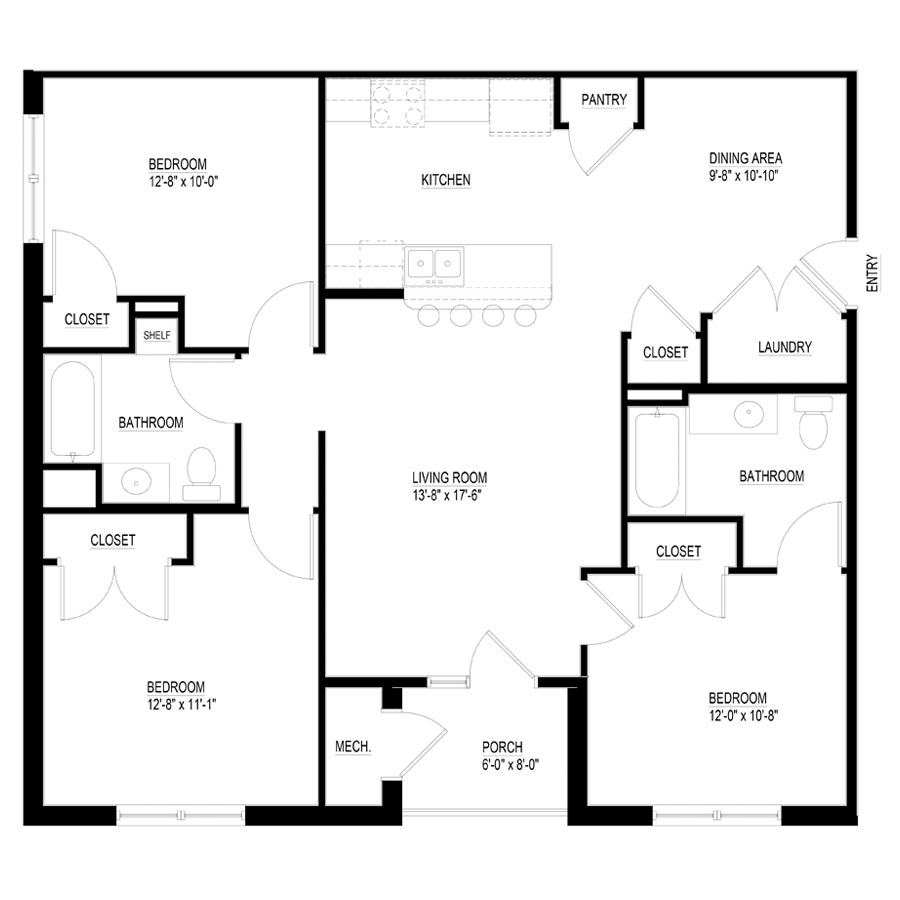
Table of Contents
Understanding a Three Bedroom Self Contain Plan
Why Three Bedroom Self Contain Plans Are So Popular
Types of Three Bedroom Self Contain Plan Layouts
Room-by-Room Breakdown and Space Standards
Sample Floor Plan Dimensions
Construction Cost Factors and Budget Planning
Common Design Mistakes and How to Avoid Them
Customization Tips for Land Size and Lifestyle
Sustainability and Modern Design Trends
Personal Background and Professional Insights
Frequently Asked Questions
Conclusion
Understanding a Three Bedroom Self Contain Plan
A three bedroom self contain plan refers to a house layout where all three bedrooms have their own private bathrooms, supported by shared spaces such as a living room, kitchen, dining area, and sometimes a visitor’s toilet.
What “self contain” really means is independence. Each bedroom functions like a mini private suite, offering comfort and privacy without disconnecting occupants from shared family spaces.
How it differs from regular three-bedroom plans
Unlike standard designs where two rooms may share a bathroom, a self-contained setup eliminates conflicts over usage and improves daily convenience. However, it also requires smarter planning to prevent excessive plumbing costs or cramped layouts.
Why Three Bedroom Self Contain Plans Are So Popular
These plans have grown in popularity because they balance comfort, cost, and flexibility. They work equally well for families and income-generating properties.
Many homeowners choose them because they offer privacy for parents and children alike, while landlords appreciate their strong rental appeal.
Ideal for families and rentals
A single property can comfortably house a family or be rented to three individuals sharing common areas. This versatility increases long-term value and market demand.
Types of Three Bedroom Self Contain Plan Layouts
Not all layouts feel the same, even when the room count is identical. The arrangement of spaces defines how the home functions day to day.
Bungalow-style layout
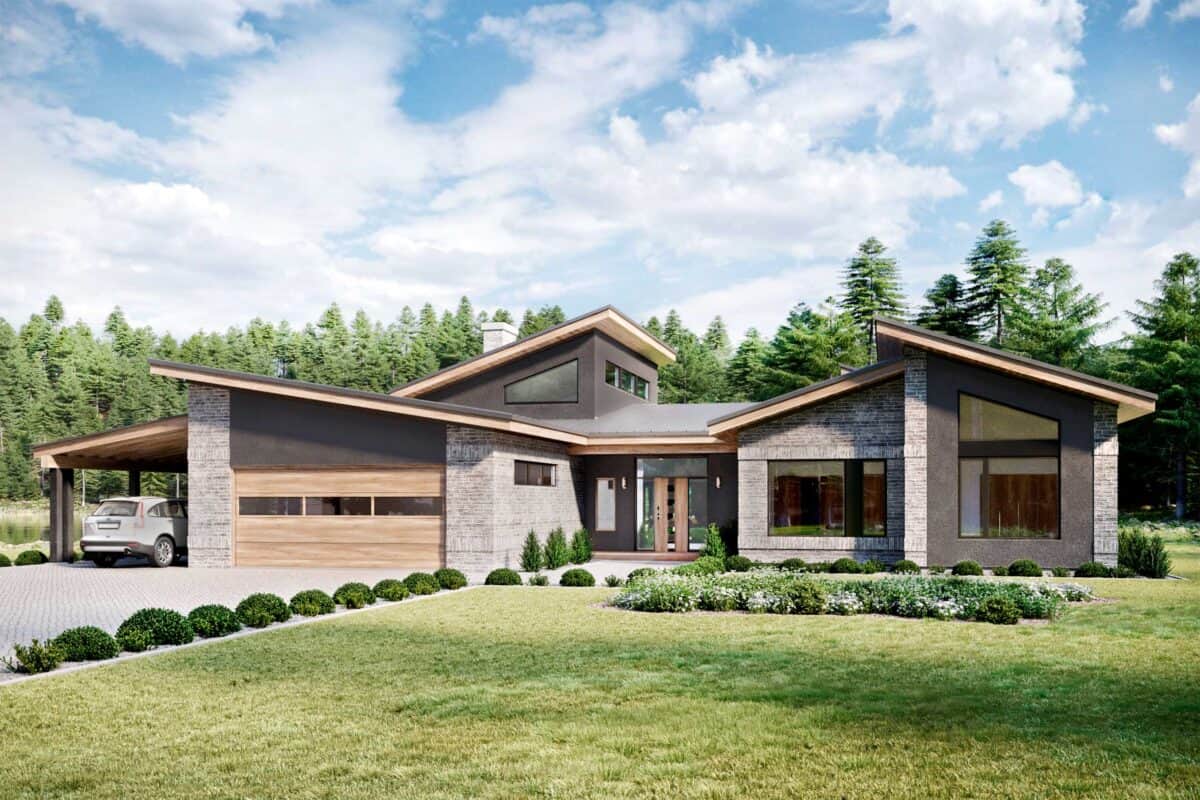
This single-floor design is cost-effective and ideal for families with children or elderly occupants. It works best on medium to large plots and offers easy movement throughout the house.
Duplex or two-storey layout
This design separates living areas from sleeping spaces, improving privacy and making better use of smaller plots.
Linear versus clustered layouts
Linear layouts place bedrooms along a corridor, while clustered designs group rooms around shared spaces. Clustered layouts often feel warmer and reduce wasted hallway space.
Room-by-Room Breakdown and Space Standards
A comfortable home depends on proper room sizing and flow.
Living room
The living room should feel open without being oversized. A minimum of 18–20 square meters allows for seating, entertainment units, and circulation.
Bedrooms
In a functional three bedroom self contain plan, bedroom sizes typically range from 12 to 14 square meters, while the master bedroom may reach 18–20 square meters.
Bathrooms
Private bathrooms don’t need to be large, but they must be efficient. Proper ventilation is essential to avoid moisture problems.
Kitchen and dining
Modern designs favor open or semi-open kitchens that improve interaction and maximize natural light.
Sample Floor Plan Dimensions
| Space | Average Size | Notes |
|---|---|---|
| Living Room | 20 m² | Central gathering area |
| Kitchen | 10 m² | Open or semi-open |
| Bedroom 1 | 14 m² | Ensuite bathroom |
| Bedroom 2 | 13 m² | Ensuite bathroom |
| Master Bedroom | 18 m² | Larger bathroom |
| Bathrooms | 12 m² total | Three private baths |
| Circulation | 8 m² | Hallways and flow |
Construction Cost Factors and Budget Planning
The cost of building depends heavily on location, materials, and design choices.
A three bedroom self contain plan usually costs more than a standard design due to additional plumbing and fittings, but the return on investment often outweighs the extra expense.
Hidden costs to watch out for
Poor planning can lead to unnecessary expenses through complex roof designs, excessive corridors, or inefficient plumbing routes.
Common Design Mistakes and How to Avoid Them
One common mistake is prioritizing bedroom size while neglecting shared spaces. Families spend more time in living and dining areas, so balance is essential.
Another issue is poor ventilation, especially in bathrooms, which leads to long-term maintenance problems.
Customization Tips for Land Size and Lifestyle
Small plots benefit from compact layouts, open-plan living areas, and vertical designs.
Larger plots allow for courtyards, extended verandas, and service areas.
Lifestyle matters too. Remote workers may need soundproofing, while frequent hosts may want larger dining spaces.
Sustainability and Modern Design Trends
Modern homes increasingly focus on efficiency. Cross-ventilation, solar-ready roofs, and energy-efficient lighting reduce long-term costs.
Smart home features like automated lighting and security systems are becoming affordable and practical.
Personal Background and Professional Insights
Most successful residential designers combine formal training with years of on-site experience. That practical knowledge helps them design three bedroom self contain plan layouts that work in real life, not just on paper.
Financially, experienced designers often earn through repeat clients and standardized plans rather than one-off luxury projects.
Frequently Asked Questions
What is the minimum land size required?
Most designs fit on plots starting from 450–500 square meters with proper planning.
Is a self-contained design more expensive?
Yes, but the added privacy and rental value often justify the cost.
Can I modify an existing plan?
Yes, but changes should be reviewed professionally to avoid structural issues.
Is it suitable for rental purposes?
Absolutely. It’s one of the most rental-friendly layouts available.
How long does construction take?
Typically between 6 and 9 months, depending on funding and conditions.
Conclusion
Choosing the right three bedroom self contain plan is about understanding how you want to live now and in the future. When privacy, comfort, and smart design come together, the result is a home that feels right every single day. A good plan isn’t just a drawing—it’s peace of mind built into concrete and space.
Admin Recommendation
PushYourDesignFinteriors: Where Bold Ideas Meet Beautiful Spaces