Introduction
Walk into any space that instantly feels “right,” and chances are it follows one of the many interior design styles that quietly shape how we live, work, and relax. From cozy traditional homes to bold modern apartments, design styles influence far more than just how a room looks.
In reality, interior design styles affect mood, productivity, comfort, and even emotional well-being. A calm, neutral space can reduce stress, while a vibrant, eclectic room can spark creativity and energy. That’s why understanding styles matters—especially before decorating or renovating.
That said, many people feel overwhelmed by the sheer number of styles available today. Modern, contemporary, minimalist, bohemian, industrial—the list goes on. This guide breaks everything down clearly, naturally, and practically so you can find a style that genuinely fits your life, not just trends.
HouseBeautifull.org shares expert tips on home improvement, interior design, real estate insights, DIY ideas, and lifestyle inspiration.


Table of Contents
Understanding Interior Design Styles
Why Interior Design Styles Matter in Everyday Living
Modern Interior Design Style
Contemporary Interior Design Style
Minimalist Interior Design Style
Traditional Interior Design Style
Transitional Interior Design Style
Scandinavian Interior Design Style
Industrial Interior Design Style
Bohemian Interior Design Style
Farmhouse Interior Design Style
Mid-Century Modern Interior Design Style
Coastal Interior Design Style
Eclectic Interior Design Style
Luxury and Glam Interior Design Styles
How to Choose the Right Interior Design Style
Mixing Interior Design Styles the Right Way
Interior Design Styles and Budget Considerations
Frequently Asked Questions
Conclusion
Understanding Interior Design Styles
Interior design styles are structured design languages that define how colors, furniture, textures, layouts, and décor elements work together. Each style follows a distinct philosophy shaped by culture, history, lifestyle, and practical needs.
At their core, interior design styles provide consistency. Instead of randomly choosing furniture or décor, a style acts as a guiding framework. This helps spaces feel intentional rather than chaotic.
However, styles are not rigid rules. In reality, they evolve with time, personal taste, and technology. What matters most is how a style supports your daily life, not whether it looks perfect on social media.
Why Interior Design Styles Matter in Everyday Living
Design directly affects how we feel in a space. Research shows that thoughtfully designed interiors can improve sleep quality, reduce anxiety, and even boost productivity in work environments.
For example, minimalist interiors reduce visual clutter, which helps the brain relax. On the other hand, warmer traditional interiors can create emotional comfort and a sense of belonging.
That said, choosing the wrong style can feel frustrating. A beautiful design that doesn’t align with your habits—like high-maintenance décor in a busy household—quickly becomes impractical. Understanding styles helps avoid that disconnect.
Modern Interior Design Style
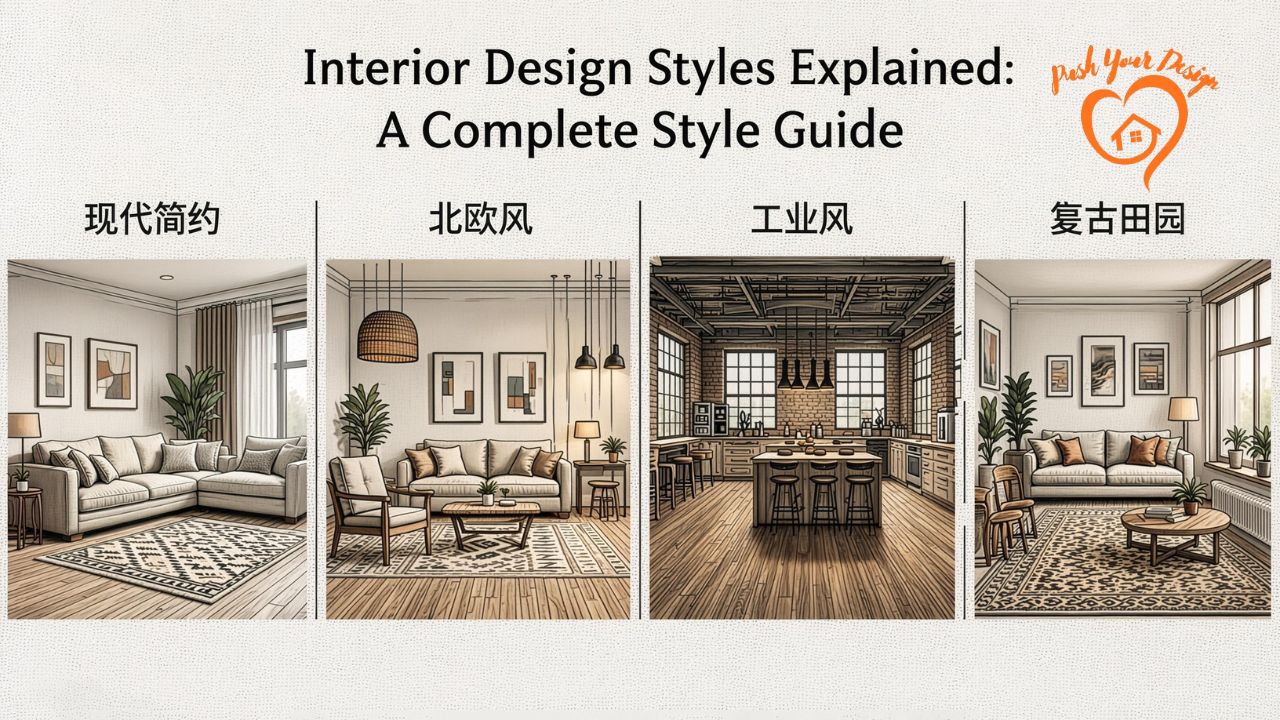
Modern design emerged in the early 20th century, rooted in simplicity and function. It emphasizes clean lines, uncluttered spaces, and a strong connection between form and purpose.
Key characteristics include:
- Neutral color palettes with black, white, and gray
- Natural materials like wood, leather, and stone
- Open floor plans
- Minimal decorative elements
Modern interiors feel calm and orderly. However, they can sometimes feel cold if not balanced with warm textures or lighting.
Contemporary Interior Design Style
Contemporary design is often confused with modern design, but they are not the same. Contemporary style reflects what’s happening right now and constantly evolves with trends.
Unlike modern interiors, contemporary spaces may include curves, bold accents, and mixed materials. You’ll often see:
- Statement lighting
- Open spaces with artistic focal points
- Neutral bases with pops of color
- A mix of metal, glass, and natural elements
This style works well for people who like staying current and refreshing their space periodically.
Minimalist Interior Design Style
Minimalism follows the philosophy of “less is more.” Every item has a purpose, and excess is eliminated.
Defining elements include:
- Simple color schemes, often monochromatic
- Functional furniture
- Clean surfaces with minimal décor
- Strong emphasis on negative space
Minimalist interiors promote mental clarity and focus. However, they require discipline to maintain, especially in family homes.
Traditional Interior Design Style
Traditional design draws inspiration from classic European décor. It values symmetry, detail, and craftsmanship.
Common features are:
- Rich wood tones
- Elegant furniture with curves
- Warm color palettes
- Decorative moldings and layered fabrics
Traditional spaces feel timeless and formal. They are ideal for homeowners who appreciate heritage, history, and structure.
Transitional Interior Design Style
Transitional design blends traditional elegance with modern simplicity. It’s one of the most popular interior design styles because it feels balanced and approachable.
Key traits include:
- Neutral color palettes
- Simplified classic furniture
- Limited ornamentation
- Soft textures and clean lines
This style works beautifully for people who want timeless comfort without heaviness.
Scandinavian Interior Design Style
Scandinavian design focuses on functionality, light, and comfort—perfect for regions with long winters.
It typically includes:
- White or light-neutral walls
- Natural wood finishes
- Cozy textiles like wool and linen
- Minimal but warm décor
This style creates airy, welcoming spaces that feel both practical and inviting.
Industrial Interior Design Style
Inspired by old factories and warehouses, industrial design celebrates raw, unfinished elements.
You’ll often see:
- Exposed brick walls
- Metal and reclaimed wood
- Open ceilings and visible ductwork
- Neutral and earthy color schemes
Industrial interiors feel bold and urban but can be softened with warm lighting and textiles.
Bohemian Interior Design Style
Bohemian style is free-spirited, artistic, and deeply personal. It rejects strict rules and embraces individuality.
Typical elements include:
- Layered textiles and patterns
- Global décor influences
- Earthy tones mixed with vibrant colors
- Vintage and handmade items
Boho spaces feel lived-in and expressive, perfect for creative personalities.
Farmhouse Interior Design Style
Farmhouse design combines rustic charm with modern comfort. It emphasizes warmth, simplicity, and functionality.
Core features include:
- Natural wood and distressed finishes
- Neutral palettes with soft accents
- Cozy furniture
- Vintage-inspired décor
This style creates inviting spaces that feel relaxed and family-friendly.
Mid-Century Modern Interior Design Style
Originating in the 1950s and 60s, mid-century modern design emphasizes simplicity and organic forms.
Key characteristics:
- Clean lines with gentle curves
- Bold accent colors
- Functional furniture
- Minimal ornamentation
It remains popular due to its timeless aesthetic and practical design.
Coastal Interior Design Style
Coastal interiors draw inspiration from beach living, focusing on lightness and tranquility.
You’ll often find:
- Soft blues and whites
- Natural textures like rattan and linen
- Open, airy layouts
- Subtle nautical elements
This style creates calm, refreshing spaces ideal for relaxation.
Eclectic Interior Design Style
Eclectic design combines multiple styles into one cohesive look. The key is intentional balance, not randomness.
Successful eclectic spaces share:
- Consistent color schemes
- Thoughtful repetition of textures
- Bold focal points
- Personal storytelling through décor
This style suits homeowners who love variety and creativity.
Luxury and Glam Interior Design Styles
Luxury interiors focus on sophistication, high-quality materials, and dramatic visual impact.
Common features include:
- Rich fabrics like velvet and silk
- Metallic accents
- Statement lighting
- Bold color contrasts
These spaces feel opulent but require careful design to avoid excess.
How to Choose the Right Interior Design Style
Choosing a style starts with lifestyle, not aesthetics. Ask yourself how you use your space daily and what makes you feel comfortable.
Helpful steps include:
- Assessing your routine and habits
- Identifying colors you naturally gravitate toward
- Considering maintenance requirements
- Evaluating your budget realistically
The best interior design styles support your life rather than restrict it.
Mixing Interior Design Styles the Right Way
Blending styles can create unique, personalized interiors when done thoughtfully.
Best practices include:
- Using one dominant style
- Maintaining a cohesive color palette
- Repeating materials and textures
- Avoiding visual clutter
In reality, some of the most beautiful homes blend styles effortlessly.
Interior Design Styles and Budget Considerations
Not all styles cost the same to execute. Minimalist and Scandinavian interiors are often budget-friendly, while luxury or traditional styles may require higher investment.
Smart budgeting tips:
- Invest in key furniture pieces
- Use affordable décor to layer style
- Prioritize quality over quantity
- Mix high-end and budget items strategically
A well-designed space doesn’t have to be expensive.
Frequently Asked Questions
What are the most popular interior design styles today?
Modern, contemporary, minimalist, Scandinavian, and transitional styles are currently the most popular worldwide.
How many interior design styles exist?
There are dozens of recognized styles, and new variations continue to emerge as design evolves.
Can I mix different interior design styles?
Yes, mixing styles works well when there is a clear visual balance and cohesive color scheme.
Which interior design style is best for small homes?
Minimalist, Scandinavian, and modern styles work best for small spaces due to their simplicity and openness.
Are interior design styles permanent?
No, styles evolve over time and can be updated gradually as preferences change.
How do I identify my personal interior design style?
Review spaces you love, notice recurring elements, and reflect on what feels most comfortable to you.
Do interior design styles affect home value?
Well-executed, timeless styles often enhance resale value, especially modern and transitional designs.
Is professional help necessary to choose a style?
Not always, but designers can help refine ideas and avoid costly mistakes.
Conclusion
Interior design styles are more than visual trends—they shape how we experience our homes every single day. When chosen thoughtfully, they create harmony between function, comfort, and personal expression.
Whether you lean toward minimalist calm, traditional warmth, or bold eclectic energy, understanding styles empowers you to design with confidence. Ultimately, the best spaces aren’t defined by rules or labels, but by how effortlessly they support the way you live.