
Introduction
Ever tried reaching the top kitchen shelf by standing on your toes—or worse, balancing on a chair? A reliable step stool turns those awkward, risky moments into safe, effortless tasks.
It may look simple, but the right step stool can transform how you organize, clean, decorate, and even cook in your home. From helping kids brush their teeth independently to giving adults access to high cabinets, this compact tool quietly solves everyday challenges.
Most households own one, yet few people stop to consider whether theirs truly fits their needs. Materials, height, weight capacity, safety features, and storage design all matter more than we think. Choosing wisely isn’t just about convenience—it’s about stability and peace of mind.
In this in-depth guide, you’ll discover everything you need to know before buying or upgrading yours, whether it’s for your kitchen, garage, bathroom, or workspace.
What Is a Step Stool?
A step stool is a small, portable platform designed to help individuals reach higher areas safely. Unlike full ladders, it typically features one to three steps and is compact enough for daily household use.
Its primary purpose is to elevate the user slightly—usually between 6 and 24 inches—making tasks like grabbing pantry items, changing light bulbs, or organizing shelves easier and safer.
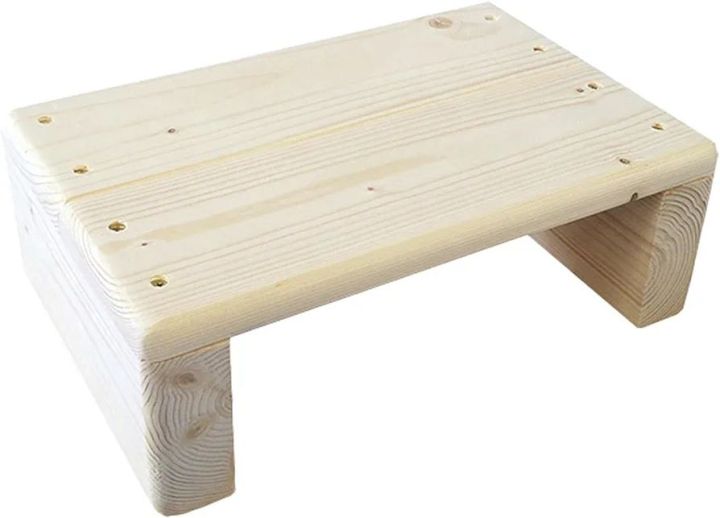


You’ll find them made from wood, plastic, aluminum, and steel. Some fold flat for storage, while others double as decorative furniture. In children’s spaces, they’re often brightly colored and designed with extra stability.
Despite its simplicity, the design variations are extensive—and that’s where smart selection begins.
Why Every Home Needs a Step Stool
A well-designed step stool isn’t just a convenience—it’s a safety essential.
Everyday Accessibility
High cabinets, overhead storage, and tall closets are common in modern homes. Instead of stretching or climbing unstable furniture, a stable platform reduces fall risks significantly.
Encouraging Independence for Children
In bathrooms and kitchens, children benefit enormously from having a safe way to reach sinks or countertops. It supports early independence and routine development.


Compact Alternative to Ladders
For quick tasks—changing bulbs, adjusting curtains, grabbing seasonal décor—you don’t need a bulky ladder. A compact option saves time and storage space.
Multi-Room Versatility
You can use it in:
- Kitchen
- Bathroom
- Garage
- Closet
- Workshop
- Garden shed
The right one moves effortlessly between rooms.
Types of Step Stool Designs
Understanding the available styles helps you choose one that matches your needs and décor.
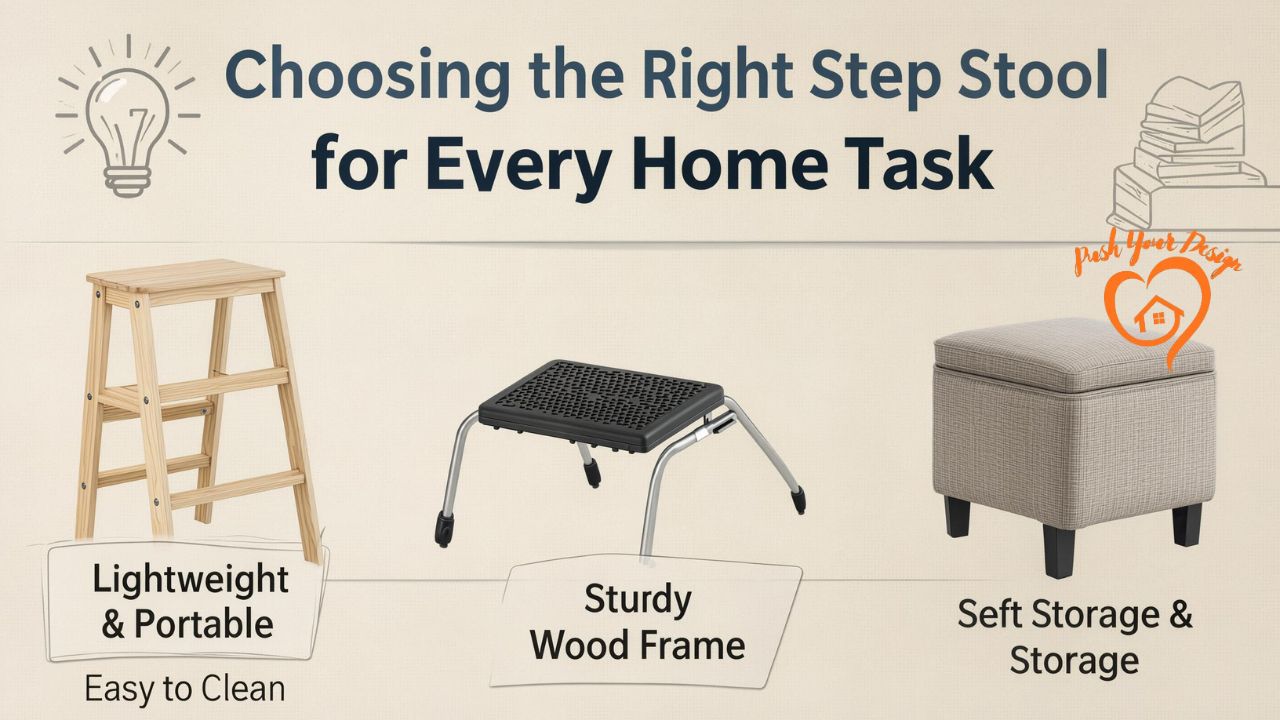
Folding Step Stool
These are lightweight and easy to store. Most are made of plastic or aluminum and collapse flat when not in use. Ideal for small apartments or quick-access storage.
Pros:
- Space-saving
- Lightweight
- Affordable
Cons:
- May have lower weight capacity
Wooden Step Stool
A wooden design often doubles as decorative furniture. It fits beautifully in farmhouse, rustic, or Scandinavian interiors.
Pros:
- Durable
- Stylish
- Sturdy feel
Cons:
- Heavier
- Not always foldable
Metal Ladder Stool
Typically aluminum or steel, these offer high durability and weight support. Perfect for garages or DIY projects.
Pros:
- High weight capacity
- Strong and long-lasting
Cons:
- Less aesthetic for living areas
Kids Step Stool
Designed with extra grip surfaces and wide bases, these prioritize stability. Many include anti-slip rubber feet.
Materials and Build Quality
Material affects stability, longevity, and weight.
Plastic
- Lightweight
- Affordable
- Water-resistant
- Best for bathrooms or light kitchen use
Wood
- Strong and stable
- Decorative
- Requires occasional maintenance
Aluminum
- Rust-resistant
- Lightweight yet strong
- Ideal for frequent use
Steel
- Heavy-duty
- High weight capacity
- Best for garages and workshops


When comparing materials, always check weight limits. A sturdy build prevents wobbling and enhances long-term safety.
Safety Features to Look For in a Step Stool
Safety is the most important factor.
Anti-Slip Surface
Look for textured step panels or rubber grips. Smooth surfaces increase slipping risks, especially in kitchens and bathrooms.
Non-Skid Feet
Rubberized feet prevent sliding on tile or hardwood floors.
Locking Mechanism
Folding models should have a secure lock to prevent collapsing during use.
Wide Base
A broader footprint increases balance and reduces tipping.
Weight Capacity
Always verify the maximum load rating. Most household models support 200–300 pounds, while heavy-duty versions go higher.
How to Choose the Right Height
Height matters more than many people realize.
- Single-step models (6–10 inches): Great for kids and low cabinets.
- Two-step versions (12–18 inches): Ideal for kitchens and closets.
- Three-step designs (20+ inches): Suitable for higher shelves and light repairs.
Choose a height that allows you to stand comfortably without overstretching.
Step Stool for Different Rooms
Kitchen
In kitchens, you need stability and easy cleaning. Aluminum or sturdy plastic models work well. Consider a design that fits under cabinets when folded.
Bathroom
Moisture resistance is key. Plastic options with rubber grips are ideal, especially for children.
Closet
A slim folding model works best in tight spaces.
Garage or Workshop
Durability matters. Choose steel or reinforced aluminum.
Maintenance and Care
Keeping your step stool in good condition extends its life.
- Wipe surfaces regularly to remove dust or grease
- Inspect hinges on folding models
- Tighten screws periodically
- Replace worn rubber feet
- Store in dry areas
Wooden designs may benefit from occasional refinishing.
Smart Buying Tips
Before purchasing, consider:
- Where will it be used most?
- Who will use it? (Adults, kids, both?)
- How often will it be needed?
- Do you need it to fold?
- What weight capacity is required?
Avoid choosing based solely on price. Stability and build quality matter more in the long run.
Environmental Considerations
If sustainability matters to you, look for:
- FSC-certified wood
- Recycled plastic materials
- Durable construction to reduce replacements
A well-built stool can last for years, reducing waste.
Common Mistakes to Avoid
- Standing on unstable chairs instead
- Ignoring weight capacity limits
- Buying the wrong height
- Choosing style over stability
- Skipping anti-slip features
Safety should always come first.
FAQ
Frequently Asked Questions
What is the ideal height for a step stool?
The ideal height depends on your needs. For kitchen cabinets, 12–18 inches works well. For children, 6–10 inches is usually sufficient.
Are wooden or plastic options better?
Wood offers durability and style, while plastic is lightweight and water-resistant. The best choice depends on usage location.
Can children safely use one?
Yes, provided it has a wide base, anti-slip feet, and adult supervision when needed.
How much weight can it support?
Most household versions support between 200 and 300 pounds. Heavy-duty models may handle more.
Is a folding design safe?
Yes, as long as it includes a secure locking mechanism and stable hinges.
How do I clean it?
Wipe with a damp cloth and mild cleaner. Avoid harsh chemicals, especially on wood.
Can it be used outdoors?
Metal and plastic versions can be used outdoors. Wooden ones should be kept dry.
When should I replace it?
Replace it if you notice cracks, loose joints, wobbling, or worn rubber feet that cannot be fixed.
Conclusion
A step stool might seem like one of the simplest tools in your home, but choosing the right one can dramatically improve everyday safety and convenience. From helping children gain independence to making household tasks safer and easier, this compact platform serves countless purposes.
Investing in a well-built design that matches your space, needs, and lifestyle ensures you won’t have to second-guess stability when reaching for that top shelf. The right choice blends durability, safety, and practicality—quietly supporting your daily routine for years to come.