Humans have been putting animals on their walls since at least 17,000 BC. The cave paintings at Lascaux – charging bulls, running horses, swimming deer – weren’t decoration in any casual sense. They were statements. They said: ” This world is alive, and we’re part of it.
That instinct hasn’t gone anywhere. It just moved from limestone to canvas. Today, animal paintings are one of the most searched categories in original art, and the market has shifted enough that owning an original is far more realistic than most people assume. According to the Art Basel and UBS Global Art Market Report 2026, 49% of gallery buyers in 2025 were first-time collectors – up from 44% the year before. People who’ve never bought original art before are buying it now.
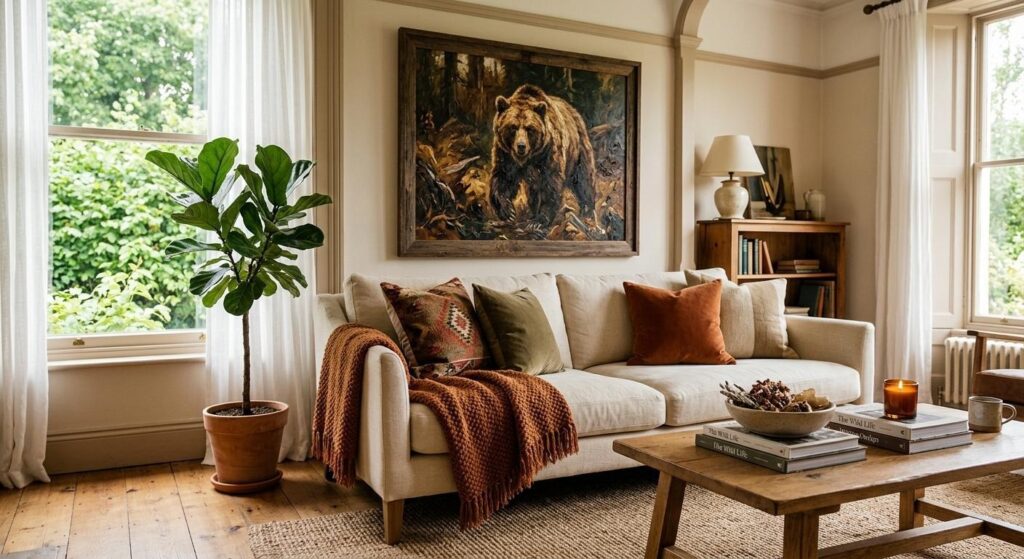
This guide covers the practical side of using animal paintings in real rooms – what to look for when buying, why they work across so many interior styles, how to match them to your existing decor, and where to hang them so they actually do what you want.
Finding the Right Animal Painting to Start With
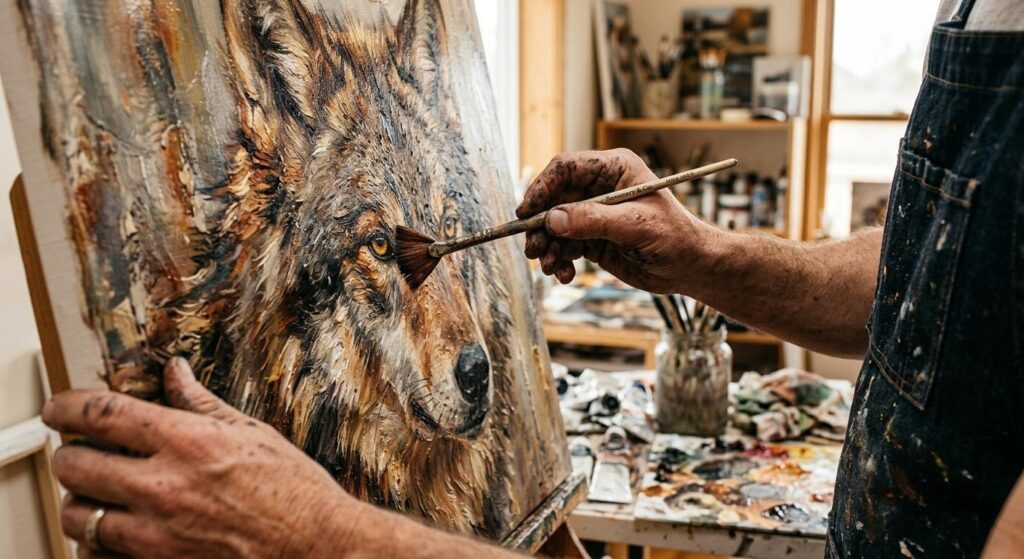
The first question most buyers face is whether to go with a print or an original. Prints have their place – they’re cheap, consistent, and easy to replace. But they have a ceiling. From across the room, a high-quality print and a mediocre one look nearly identical. With an original painting, the opposite is true: the texture is visible at a distance. An oil painting of a wolf or a bear has depth that reads even in a photo, let alone in person.
Originals from emerging artists also tend to fall in price ranges that surprise people. You don’t need a gallery budget. Browsing animal paintings for sale from independent artists is the fastest way to see what subjects and styles are actually available at accessible prices – and it quickly becomes clear that handmade work varies a lot in style, mood, and scale, which is exactly the point.
For first-time buyers, the most useful thing to decide early is whether you want the painting to be a focal point or a complement. A large-scale original above a sofa is a statement. A medium canvas in a hallway niche is a moment of surprise. Both are valid, but they need different kinds of paintings. If you need help working out what fits your overall decorating direction before you buy, looking at some creative home decorating style ideas can help you narrow down the options before you start browsing.
Why Animal Art Works So Well in Home Interiors
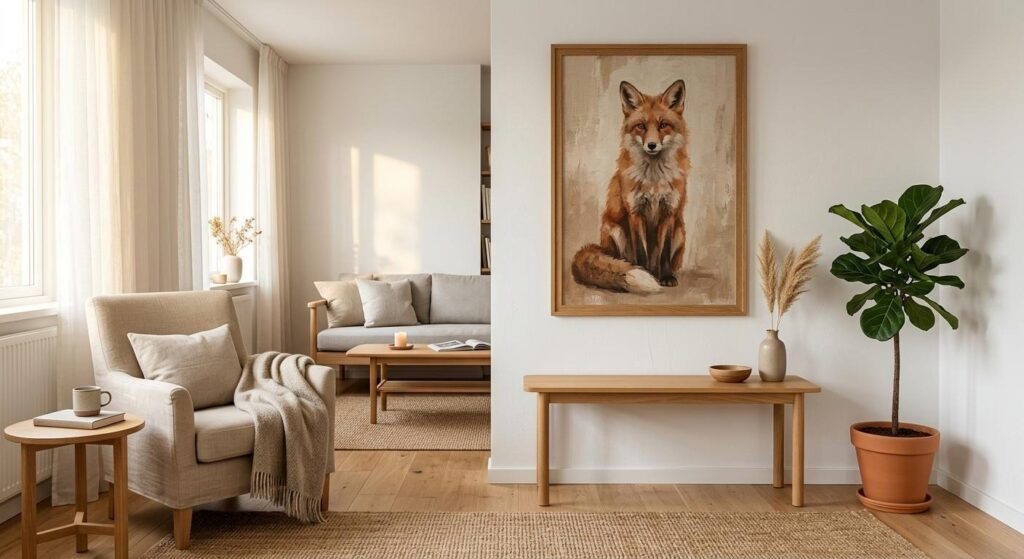
Animal paintings tap into something called biophilic design – the principle that people function better when their environments include references to the natural world. This isn’t a vague concept. According to a biophilic design trend report published by ID Times, research shows workplaces with natural elements see a 15% boost in productivity and a 12% decrease in stress levels. The same mechanisms apply at home.
The biophilic design market itself reflects how seriously consumers take this. Global Market Insights projects the sector will reach $3.14 billion by 2028, growing at a 10.2% annual rate from 2023. As House Digest reports, biophilic design is set to be one of the defining home trends of 2026, with nature-connected interiors moving from niche preference to mainstream expectation.
The advantage animal paintings have over most other biophilic elements – live plants, water features, natural material finishes – is that they require nothing from you after hanging. No watering, no maintenance, no seasonal replacement. And unlike a photo of a forest, a painted animal has emotional presence. A painted hawk isn’t just a reference to nature; it’s a character. That distinction matters a lot for how a room feels.
Subject choice affects mood more than most decorators acknowledge. A painting of a deer in soft light reads completely differently from a painting of a charging bull. Eye-contact portraits – where the animal looks directly at the viewer – create intimacy and tend to dominate smaller rooms. Peaceful subjects (resting foxes, grazing horses) suit bedrooms and reading nooks. Dynamic or bold subjects (big cats mid-stride, birds in flight) suit living rooms and home offices where some energy is welcome.
Matching Animal Art to Your Interior Style
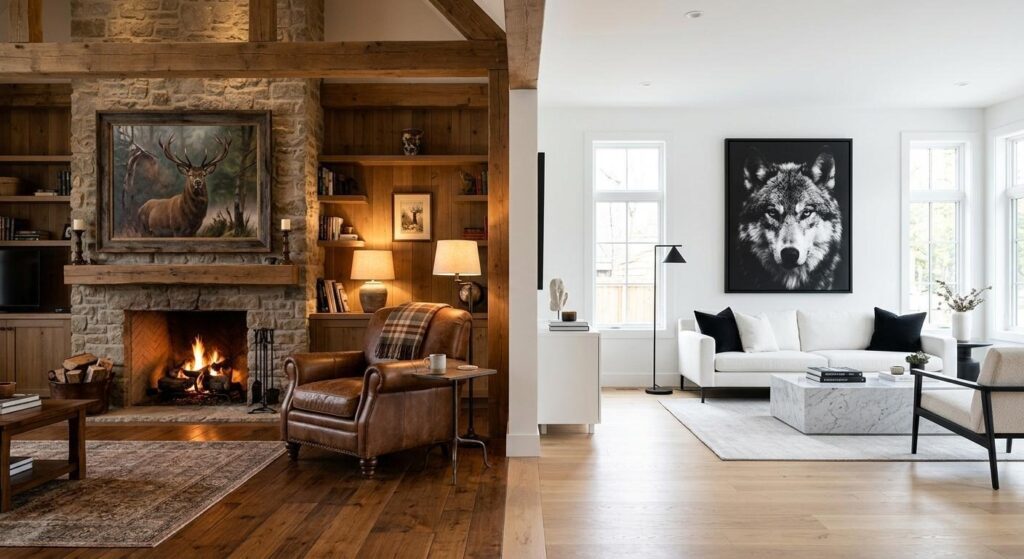
Not every animal painting suits every room, and the mismatch between art style and interior style is one of the most common decorating mistakes. The good news is that the pairing logic isn’t complicated.
Rustic and Traditional Homes
Realistic oil paintings are the natural match here – subjects like deer, bears, horses, and birds of prey rendered in warm, earthy palettes. Warm wooden frames (oak, walnut, distressed gold) complete the look. The subject doesn’t have to be hunting-themed to feel at home in a traditional space; a quiet study of a barn owl or a red fox in autumn light works just as well and reads as art rather than a decor catalog.
Modern and Minimalist Interiors
Bold, high-contrast acrylic portraits suit minimalist rooms best. Think black-and-white big cats, graphic wolves on pale grounds, or single-subject portraits with strong silhouettes. Float frames or frameless gallery-wrap canvases keep the presentation clean. The key is that the painting does all the visual work – it doesn’t need a busy frame competing with it.
Eclectic and Maximalist Spaces
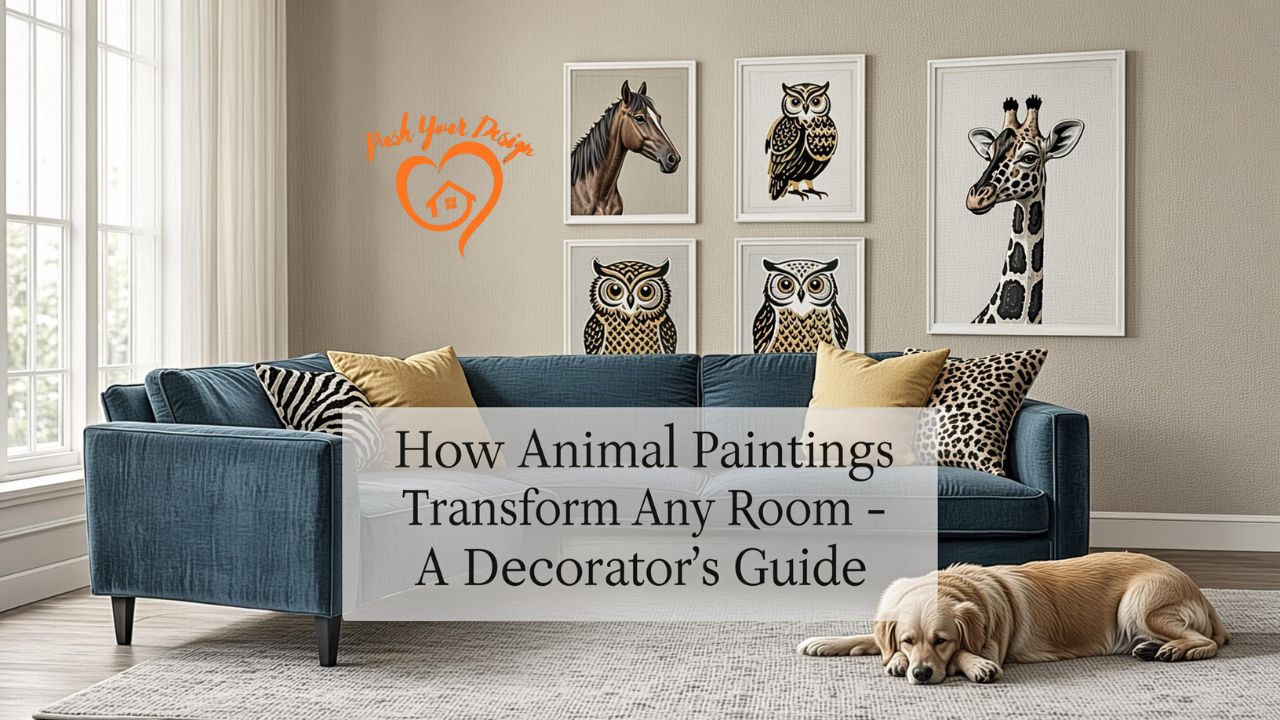
In rooms that already have a lot going on, smaller animal works within gallery wall arrangements give you a nature reference without one painting competing with everything else. Abstract or stylized animal subjects – think loose gestural birds or patterned zebras – fit better than tight photorealistic work, which can feel visually crowded when surrounded by pattern and color.
For a deeper look at how art choices fit within different interior frameworks, the guide to modern interior design inspiration is worth reading before you make any final decisions.
How to Place and Size Animal Art
Scale and placement make or break animal paintings in real rooms. A painting that’s too small for its wall disappears; one that’s too large feels aggressive. Getting this right isn’t guesswork – there are practical measurements that work consistently.
The standard for hanging height is the museum convention: center of the painting at 57 to 60 inches from the floor. That’s roughly average eye level. It holds true in living rooms, bedrooms, and dining rooms. The exception is artwork hung above furniture, where the rule shifts slightly.
Above a sofa, the painting should span roughly two-thirds of the sofa’s width. Any narrower and it looks like an afterthought. Any wider and it fights the furniture. Leave 6 to 10 inches of wall between the bottom of the frame and the top of the sofa back. The same proportional logic applies above a headboard, a fireplace, or a console table.
Room by room, here’s what tends to work:
- Living room: A single large canvas above the sofa or fireplace as a focal point. Animal paintings work especially well here because they hold attention across a seating area.
- Bedroom: Medium-sized pieces above the headboard, centered. Calm subjects only – resting animals, soft palettes. The goal is a room that settles the nervous system, not one that energizes it.
- Dining room: One bold piece on the feature wall at eye level. A confident single canvas reads better than a cluster in this space.
- Hallway: Smaller pieces or a vertical stack of two to three works. Hallways reward surprise – a small, beautifully framed animal portrait at the end of a corridor stops people in their tracks.
Lighting changes everything. Natural sidelight brings out the texture in oil paintings in a way overhead lighting never does. If your chosen wall doesn’t get much natural light, a simple picture light mounted above the frame – or a directional spotlight from a track – makes an animal portrait feel dramatically different at night than during the day. It’s a small investment that pays back every evening.
If you’re working within a tighter budget and want ideas for styling your walls without overspending, there are some practical, budget-friendly decorating tips worth bookmarking before you commit to frames, lighting fixtures, and hanging hardware.
Let the Animals In
Animal paintings aren’t a trend with an expiry date. The impulse they respond to – wanting to share your living space with some echo of the natural world – is as old as human shelter. What’s changed is how accessible the original art market has become, and how clearly design research now points to nature-connected interiors as genuinely improving how people feel in their homes.
The practical path is straightforward: find an original painting whose subject and style you connect with, check that its visual weight suits your interior, verify the scale before you buy, and hang it at eye level so it anchors the room as it should. You don’t need a decorator’s budget or a gallery-trained eye. You need a painting you’d want to look at every day.
A great animal painting doesn’t go out of style when the next trend comes through. It just becomes more yours.