Designing cabinetry for irregular, non-standard spaces requires more than skilled carpentry. Difficult architectural features present unique challenges that standard cabinet hardware cannot often resolve. Targeted hardware choices enable cabinetry that fits, functions, and endures in demanding interiors.
From urban apartments to heritage conversions, architects and interior designers frequently face awkward corners, sloped ceilings, and uneven walls. Creating effective cabinetry is not just about visual appeal, but also overcoming these practical constraints. Hardware such as mortice deadlocks, necessary in some integrated cabinetry, highlight how hardware selection is key for secure, customised storage solutions. Careful assessment of hardware types and their installation is essential so custom cabinets integrate seamlessly and perform reliably even in the most distinctive environments.
Measuring and planning for architectural irregularities
Features such as alcoves, angled walls, or floors that are not level can complicate cabinet installation. Accurate site measurements are essential, requiring careful documentation of every irregularity that might affect cabinet construction and fitting. Considerations include out-of-square corners, varying wall thicknesses, and floors that slope or dip unexpectedly.
These factors have a direct impact on tolerances, making it important to plan for clean door reveals and consistent drawer gaps. Even small deviations may result in noticeable misalignments or impaired functionality. Specialist installers anticipate and allow for these variables, ensuring that custom cabinetry maintains both usability and a balanced appearance over time.
Choosing cabinet openings to suit constrained spaces
The selection of cabinet openings must consider available space and movement paths. Hinged doors work for wider, unobstructed areas, while sliding or bi-fold systems are preferred where space is restricted, such as in narrow corridors.
Carefully managing door swing clearance is essential in compact rooms or where cabinetry is placed near obstructions. Designers analyse how users will interact with cabinetry, ensuring that hardware and door style support comfortable, practical use without interrupting natural movement through the area.
Specifying hardware for complex and oversized cabinetry
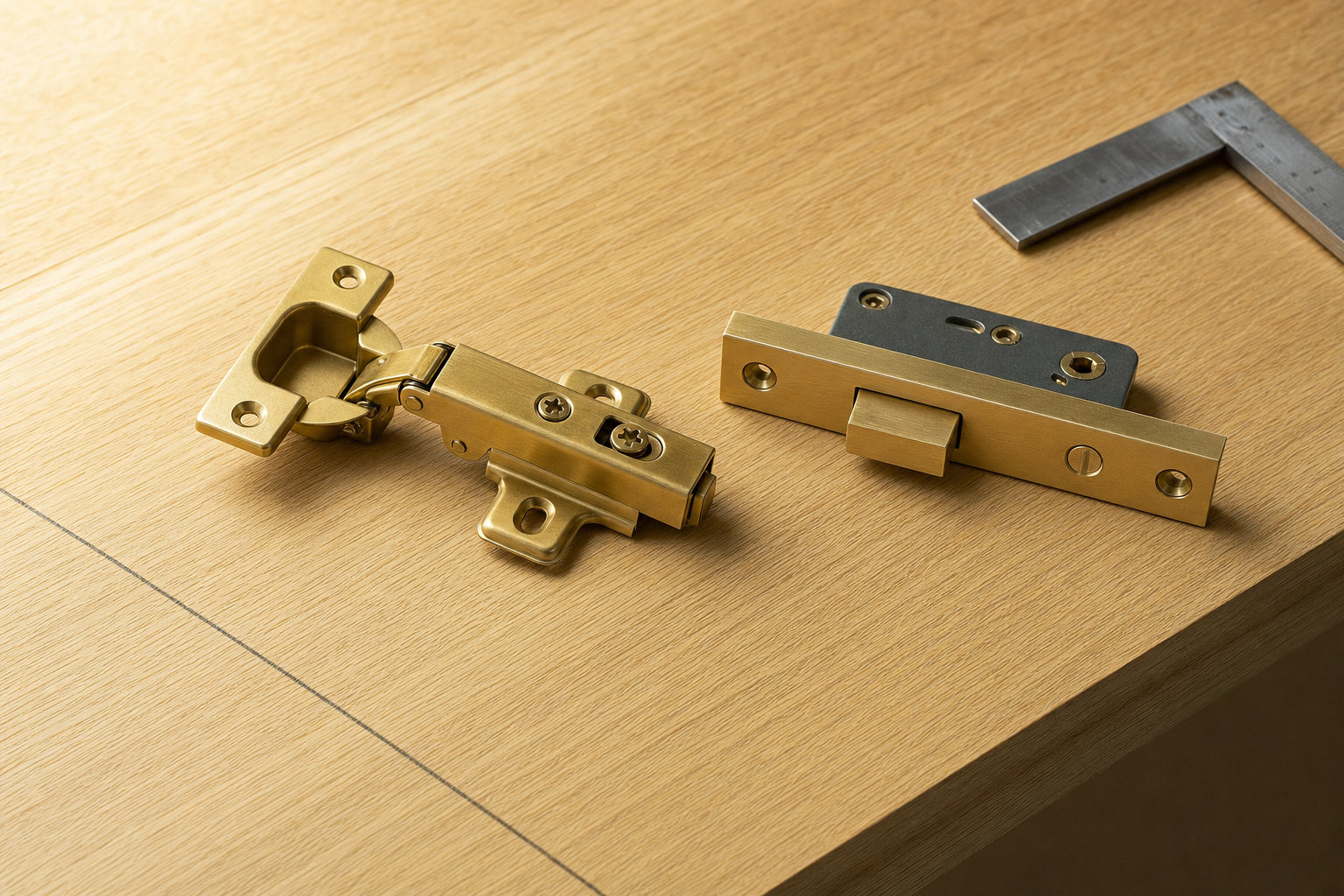
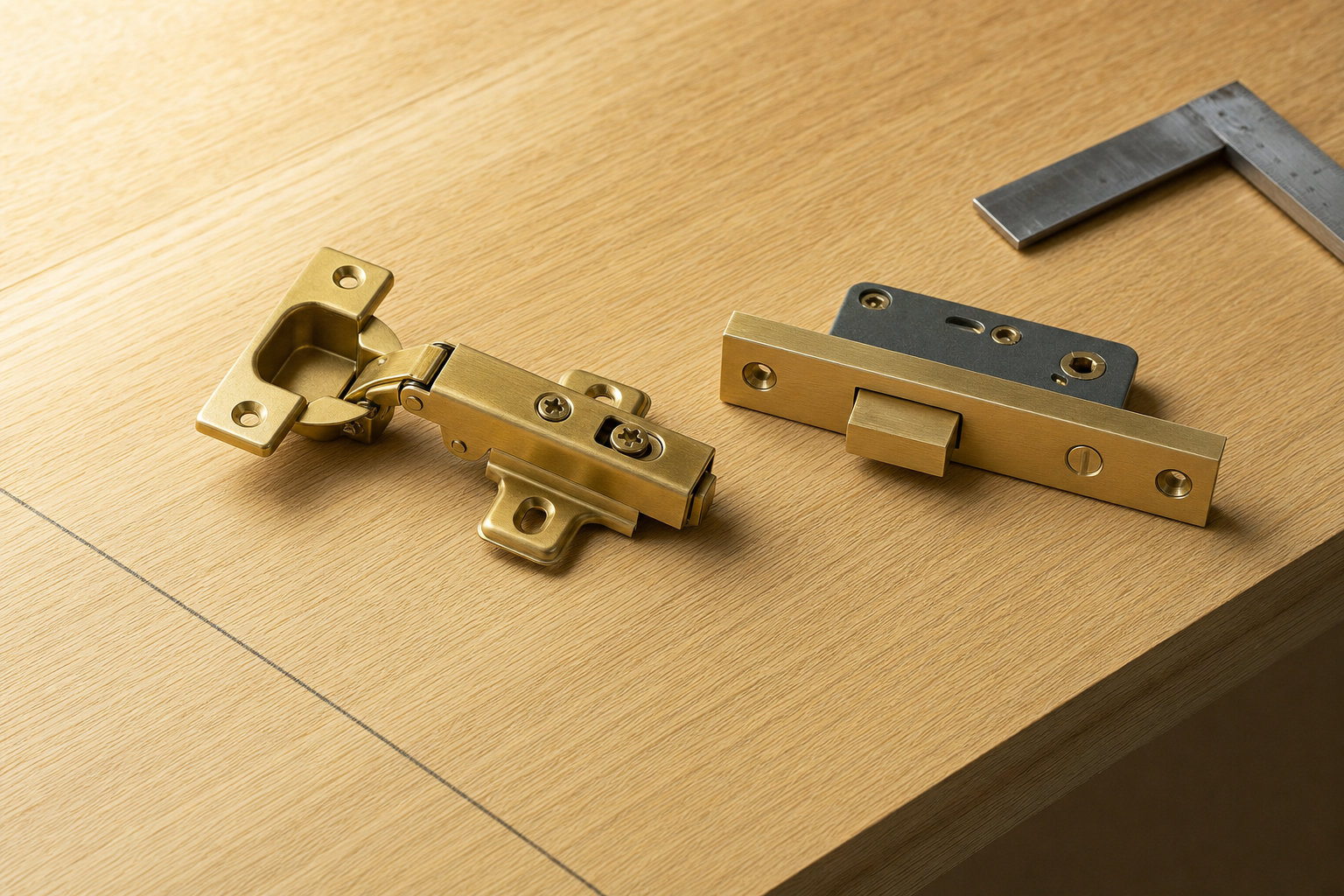
The right hardware can determine the effectiveness of custom cabinets, especially when cabinet dimensions or shapes fall outside standard parameters. Concealed hinges are valued for their versatility on varying carcass depths and overlarge door panels.
Heavy-duty slides and specialised pull-outs are important for larger or deeper storage installations; their strength and adaptability support frequent use and sustained loads. In some projects, as with bespoke pergolas, similar hardware considerations are required to accommodate shifting frames and changing loads. Adjustable hardware enables on-site fine-tuning, which is necessary as buildings settle or experience environmental changes.
Integrating security and achieving visual harmony
Many custom cabinetry installations require secure storage compartments for valuables or sensitive material. Discreet lockable sections can be seamlessly integrated using appropriate hardware to maintain a cohesive appearance while ensuring security.
Material and finish choices play a critical role in the overall result. Selecting cabinet hardware finishes to match other architectural elements establishes visual unity, while a contrasting choice can either showcase or blend cabinetry according to design intent. This level of detail in hardware choice helps custom joinery respond to both period features and modern design demands.
Engineering for durability and real-world use cases
Durable function is achieved with cabinet hardware designed for repeated, robust use. Features like soft-close and damping mechanisms protect oversized doors from impact wear, while also contributing to a quiet, refined user experience.
Maintenance is also a priority; many designers prefer hardware systems that allow for simple adjustment or repair without dismantling cabinetry. Common applications include under-stair storage with irregular shapes, shallow wardrobes, and installations in out-of-true older buildings. Flexible hardware choices allow for practical and aesthetically pleasing cabinetry, even in the most challenging architectural contexts.
Ultimately, well-selected hardware distinguishes effective custom cabinetry from temporary solutions. Addressing architectural challenges from the outset through careful hardware planning enables designers to create cabinetry that validates intent and improves both function and aesthetics in any unique space.
Source: Bazoom AI