
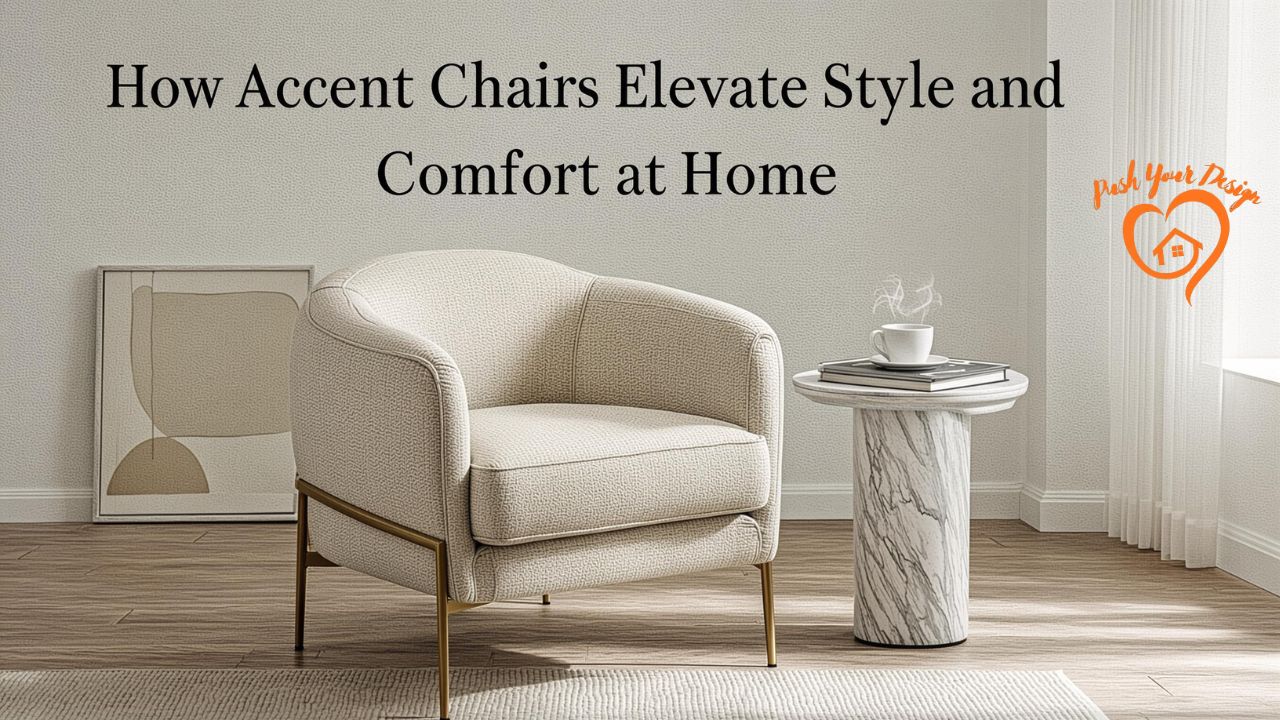
Introduction
A single piece of furniture can change the mood of an entire room. Accent chairs are often that magical element—the unexpected detail that brings warmth, personality, and balance to a space. Whether you’re styling a cozy reading nook or refreshing a formal living area, the right chair can turn a bland corner into a design highlight.
Many homeowners underestimate how much impact accent chairs can have. They’re not just extra seating; they’re visual anchors. They introduce color, texture, shape, and contrast in ways that sofas and tables sometimes can’t. If you’ve ever felt that your room looks “almost there” but not quite complete, this might be the missing piece.
In this comprehensive guide, we’ll explore how to choose, style, and care for accent chairs so they elevate both comfort and character in your home
What Are Accent Chairs and Why Do They Matter?
Accent chairs are standalone seating pieces designed to complement—rather than match—your primary furniture. Unlike standard armchairs that are part of a coordinated set, these chairs are chosen for contrast, personality, or visual interest.
They matter because they:
- Add depth and dimension to a room
- Break up monotonous furniture sets
- Introduce bold colors or textures
- Provide flexible seating options
- Create focal points
When thoughtfully selected, they help define the room’s tone—whether that’s elegant, playful, rustic, or modern.
How Accent Chairs Transform Living Spaces
Two simple additions can instantly reshape how a room feels. For example, placing a sculptural chair in a neutral living room adds drama without overwhelming the space.
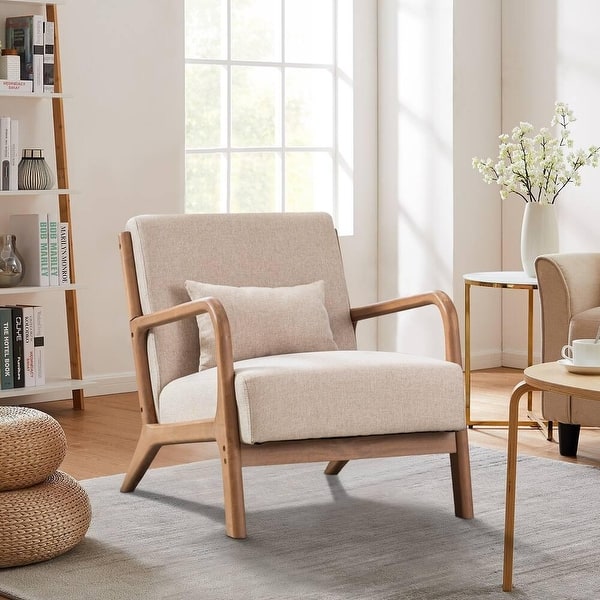
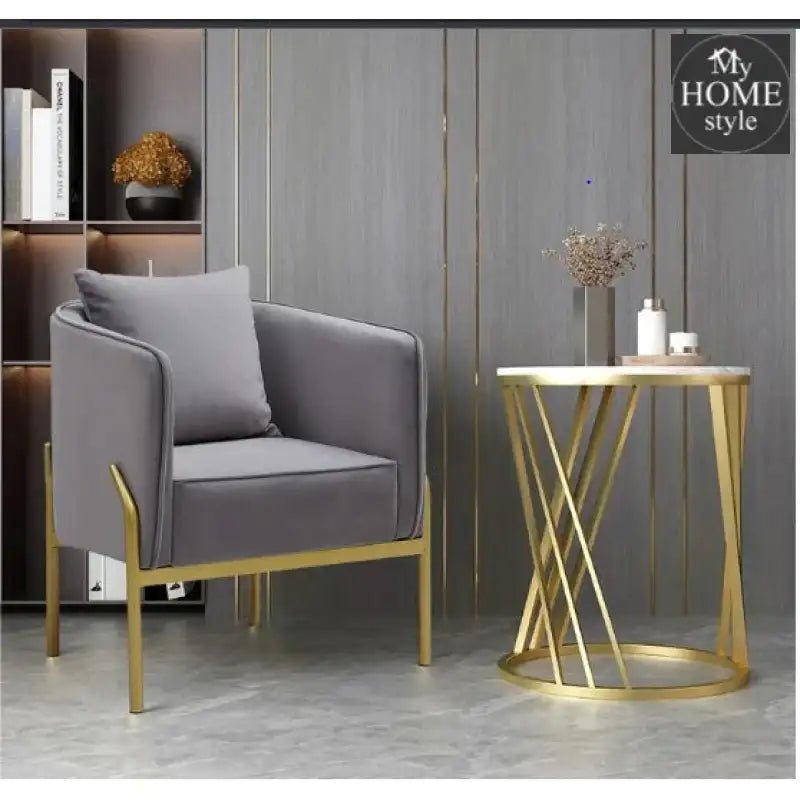

The transformation happens in subtle but powerful ways:
- Color Balance – A bold chair in mustard, emerald, or navy can balance neutral walls and sofas.
- Texture Layering – Velvet, leather, boucle, or woven fabric introduces depth.
- Shape Variation – Curved silhouettes soften boxy rooms; angular designs sharpen minimalist spaces.
- Functional Comfort – Extra seating ensures your home feels welcoming, not crowded.
Even in compact apartments, a well-chosen chair can create a micro-zone for reading, conversation, or relaxation.
Choosing the Right Accent Chairs for Your Home
Selecting the perfect piece isn’t just about what looks good in a showroom. It’s about scale, function, and harmony.
Consider Proportion and Scale
A common mistake is choosing a chair that’s either too large or too petite for the room.
- Measure available floor space
- Check seat height relative to your sofa
- Leave at least 18 inches of walking space
In small rooms, opt for armless or slim-profile designs. In spacious layouts, oversized lounge chairs can add drama.
Match Function with Design
Ask yourself:
- Will this be used daily or occasionally?
- Is it for reading, conversation, or decorative appeal?
- Do you need back support or plush cushioning?
For reading corners, high-back styles with supportive cushions work best. For entertaining, structured designs that encourage upright seating are ideal.
Fabric and Material Selection
Fabric influences both durability and aesthetics:
- Velvet – Luxurious and bold
- Leather – Timeless and durable
- Linen – Casual and breathable
- Bouclé – Trendy and textured
- Performance Fabric – Family- and pet-friendly
Material choice should reflect lifestyle needs as much as style preferences.
Popular Styles of Accent Chairs
Different design eras have inspired countless variations. Understanding these styles helps you make informed decisions.

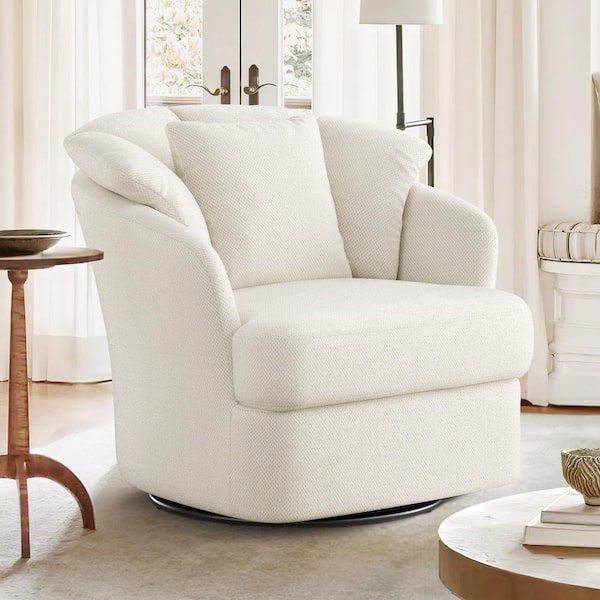
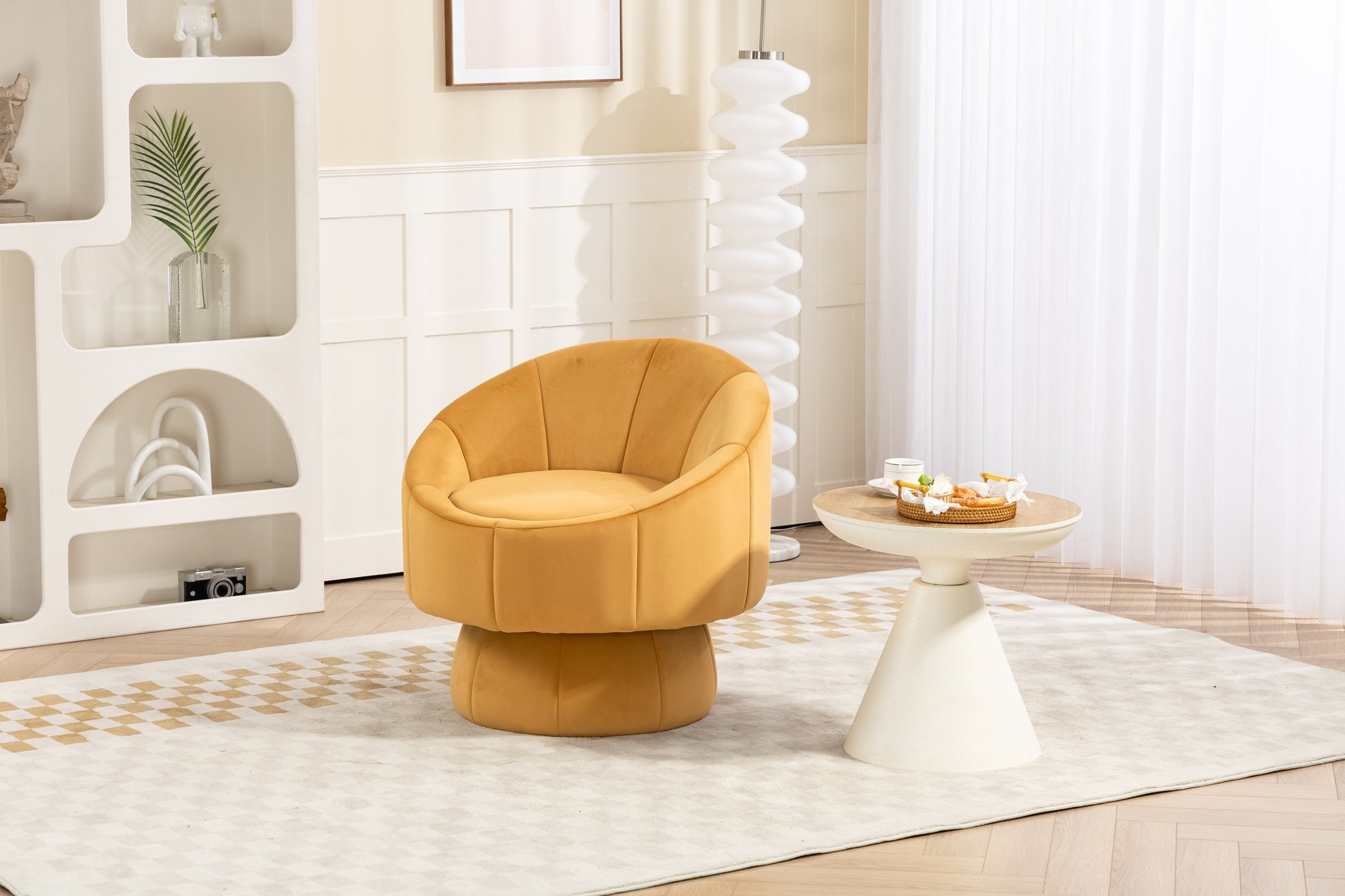
Wingback
Classic and sophisticated, wingback chairs add formality. They’re ideal near fireplaces or in traditional settings.
Barrel
Curved backs wrap around the sitter, offering comfort and contemporary charm. Perfect for conversation areas.
Mid-Century Modern
Characterized by tapered wooden legs and clean lines, these designs suit minimalist and retro interiors.
Club
Low-backed and plush, club chairs bring masculine elegance and comfort—often seen in leather finishes.
How to Place Accent Chairs Strategically
Placement can make or break the visual impact.
In the Living Room
- Position across from a sofa to create conversation flow
- Angle slightly toward the center for openness
- Pair with a side table and floor lamp
In Bedrooms
Place near a window or vanity to create a personal retreat. Soft upholstery and calming colors work best here.
In Entryways
A compact chair near the door adds both charm and functionality for putting on shoes.
In Home Offices
Use a stylish chair for guest seating that complements your desk setup.
Thoughtful placement ensures the chair feels intentional, not random.
Color Psychology and Design Harmony
Color affects mood more than most people realize.
- Blue – Calming and grounded
- Green – Refreshing and organic
- Yellow – Energizing and cheerful
- Gray – Sophisticated and adaptable
- Red – Bold and dramatic
Choose hues that either complement or contrast with your existing palette. For neutral rooms, vibrant accent chairs act as statement pieces.
Accent Chairs for Small Spaces
Living in a compact apartment doesn’t mean sacrificing style.
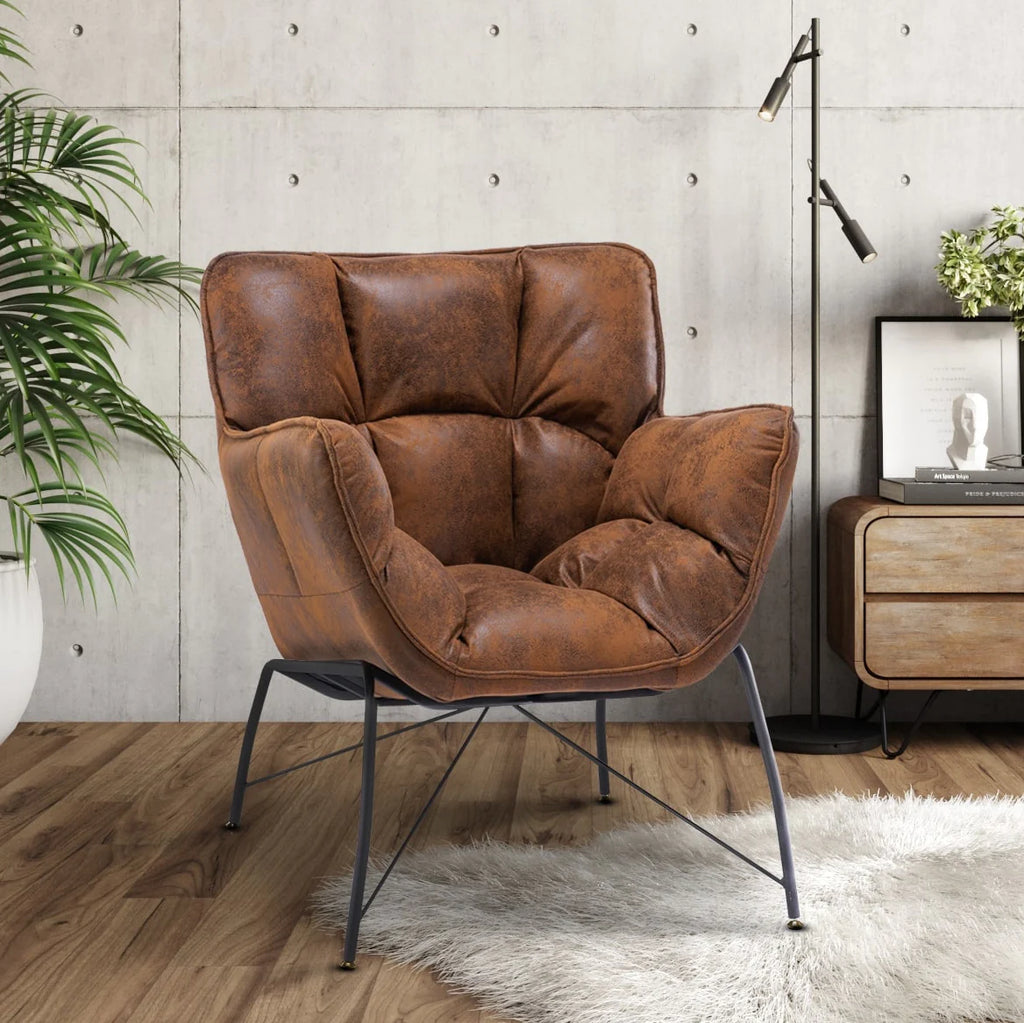

Look for:
- Armless silhouettes
- Open-frame designs
- Slim wooden legs
- Light-colored fabrics
Avoid bulky recliners or oversized cushions that overwhelm limited square footage.
Mixing and Matching Accent Chairs
You don’t always need identical pairs.
Mixing different designs can create a curated look. The key is cohesion. Tie them together with:
- Similar color families
- Matching leg finishes
- Coordinated cushions
- Repeated textures
For example, one velvet chair and one leather chair can work beautifully if both share similar tones or shapes.
Caring for Your Accent Chairs
Longevity depends on maintenance.
- Vacuum weekly to prevent dust buildup
- Rotate placement to avoid sun fading
- Spot-clean spills immediately
- Use fabric protectors where needed
Leather requires conditioning; velvet benefits from gentle brushing. With proper care, quality accent chairs can last for years.
Budget vs. Investment Pieces
There’s a wide price range in the market.
Budget Options
- Ideal for temporary spaces
- Trend-driven designs
- Lightweight materials
Investment Pieces
- Solid wood frames
- High-density foam cushions
- Durable upholstery
If the chair will be heavily used, investing in quality often pays off in comfort and durability.
FAQ
Frequently Asked Questions About Accent Chairs
What is the purpose of accent chairs?
They provide additional seating while enhancing the aesthetic appeal of a room through color, texture, or design contrast.
How many accent chairs should a living room have?
Most living rooms work well with one or two, depending on size and layout.
Can accent chairs match the sofa?
They can, but contrast usually creates more visual interest.
Are accent chairs comfortable for daily use?
Yes, if you choose supportive cushioning and appropriate dimensions.
What fabric is best for homes with pets?
Performance fabrics or leather are generally easier to maintain.
How do I style accent chairs in a modern home?
Choose clean lines, neutral tones, and minimal accessories for a sleek appearance.
Should accent chairs be bold or neutral?
Either works. Bold colors create statements; neutrals provide subtle elegance.
Can I use accent chairs in dining spaces?
Occasionally, yes—especially at the ends of dining tables for a refined look.
Conclusion
Accent chairs are more than decorative extras—they’re design tools that shape atmosphere, balance, and functionality. From compact apartments to spacious homes, the right chair introduces personality and polish in a way few other pieces can.
Whether you prefer a bold velvet statement or a subtle mid-century silhouette, thoughtful selection and placement make all the difference. By considering scale, fabric, color, and purpose, you can confidently choose accent chairs that transform your home into a more stylish, welcoming space.