
Introduction
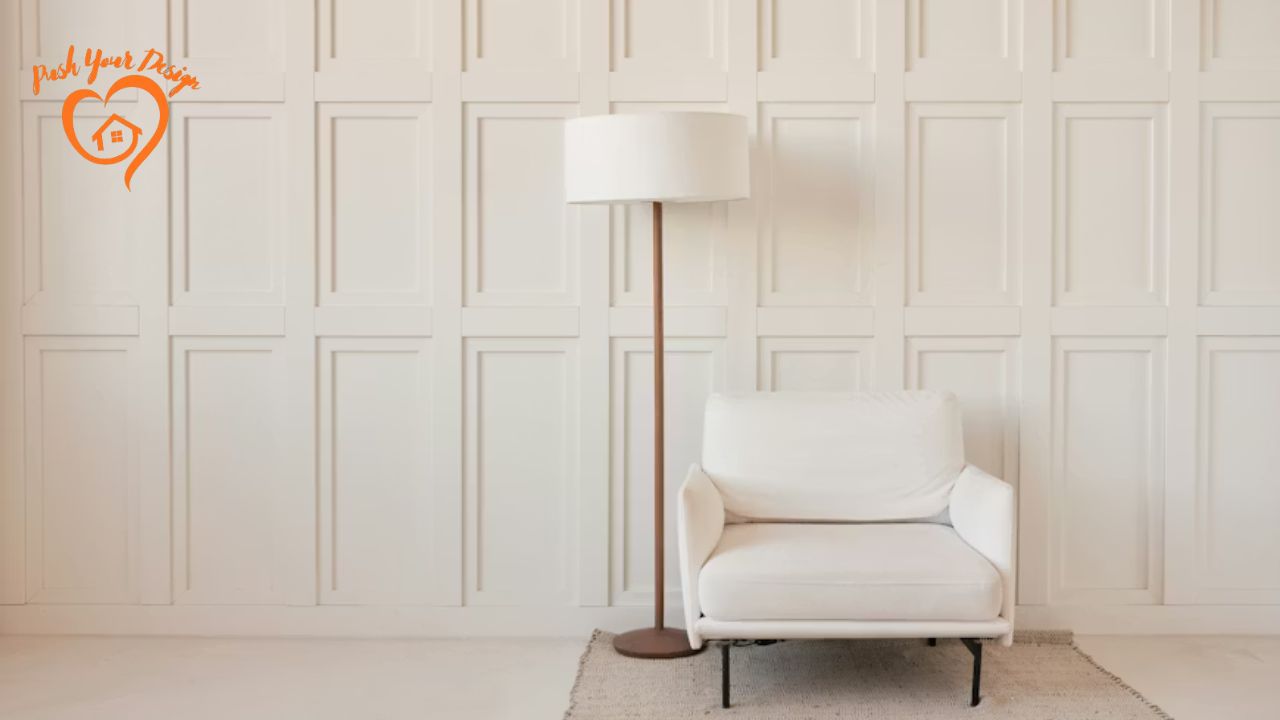
There’s something quietly powerful about walking into a room that feels calm, bright, and effortlessly put together. You might not immediately know why it works—but chances are, the color palette is doing the heavy lifting. alabaster walls with pure white trim have become one of those rare combinations that feel both classic and current at the same time.
In reality, this pairing isn’t about playing it safe. It’s about balance. Alabaster brings warmth and softness to walls, while pure white trim adds clarity and definition. Together, they create rooms that feel intentional, welcoming, and surprisingly versatile.
If you’ve ever worried that white-on-white interiors feel boring or flat, this article will change your mind. We’re diving deep into why this combination works, how designers use it, and how you can make it look stunning in your own home—without second-guessing every paint swatch.
Table of Contents
Why Alabaster Walls with Pure White Trim Work So Well
Understanding Alabaster: More Than “Just White”
What Makes Pure White Trim the Perfect Contrast
Alabaster Walls with Pure White Trim in Different Rooms
Lighting Considerations That Make or Break the Look
Popular Design Styles That Love This Color Combo
Common Mistakes to Avoid
Real-Life Examples and Design Scenarios
Cost, Resale Value, and Practical Benefits
Frequently Asked Questions
Conclusion
Why Alabaster Walls with Pure White Trim Work So Well

At first glance, the combination seems simple. However, simplicity is exactly what makes it powerful.
The Psychology Behind Soft Neutrals
Alabaster sits in that sweet spot between warm white and light greige. It reflects light gently instead of bouncing it harshly. Pure white trim, on the other hand, creates crisp visual lines that give the eye structure. Together, they reduce visual clutter, make spaces feel larger and cleaner, and adapt easily to changing décor styles. According to interior color studies, light neutral walls can increase perceived room size by up to 20%.
A Balance of Warmth and Precision
That said, using alabaster alone can sometimes feel a little too soft. Pure white trim solves that by framing doors, windows, and ceilings, preventing the walls from looking muddy, and creating architectural interest without bold contrast. This balance is exactly why designers keep returning to this pairing year after year.
Understanding Alabaster: More Than “Just White”
Before choosing paint, it’s important to understand what alabaster actually is—and what it isn’t.
What Is Alabaster Paint?
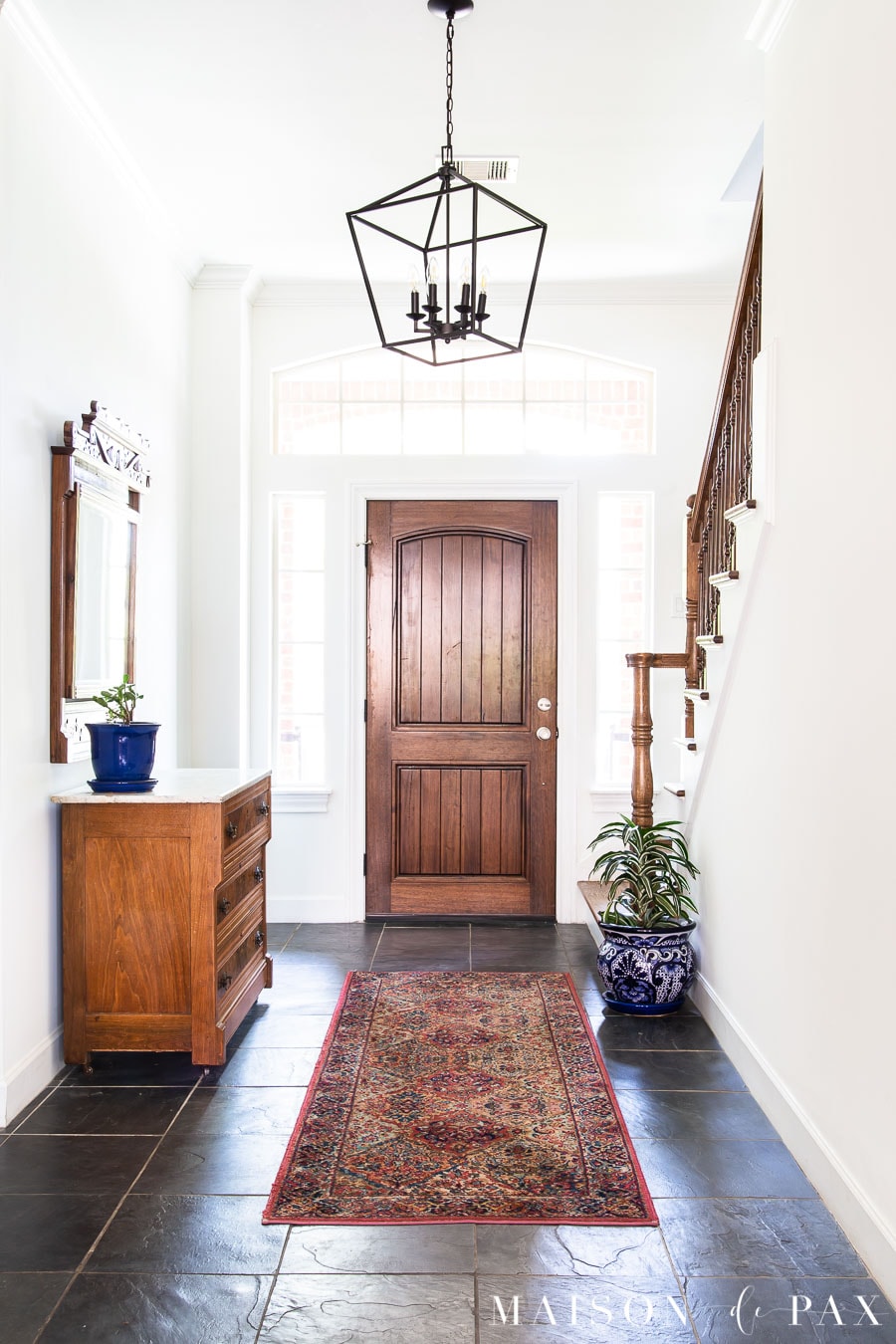
Alabaster is a warm, creamy off-white with subtle beige undertones. Unlike stark whites, it doesn’t feel cold or clinical. Instead, it shifts gently depending on lighting conditions. Its key characteristics include warm undertones without gray heaviness, high light reflectance without glare, and an ability to soften harsh architectural angles.
How Alabaster Changes with Light
In natural daylight, alabaster reads clean and airy. In warm artificial light, it becomes cozy and inviting. Under cool LED lighting, it stays neutral rather than turning yellow. This adaptability makes it ideal for open-concept homes where lighting conditions change throughout the day.
Alabaster vs. Other Popular Whites
Alabaster offers warmth and flexibility compared to cooler whites like Chantilly Lace or cream-heavy options like Swiss Coffee, making it a favorite for whole-house applications.
What Makes Pure White Trim the Perfect Contrast
Trim is often overlooked, but it plays a huge role in how walls are perceived.
Why Pure White Works Better Than Soft White
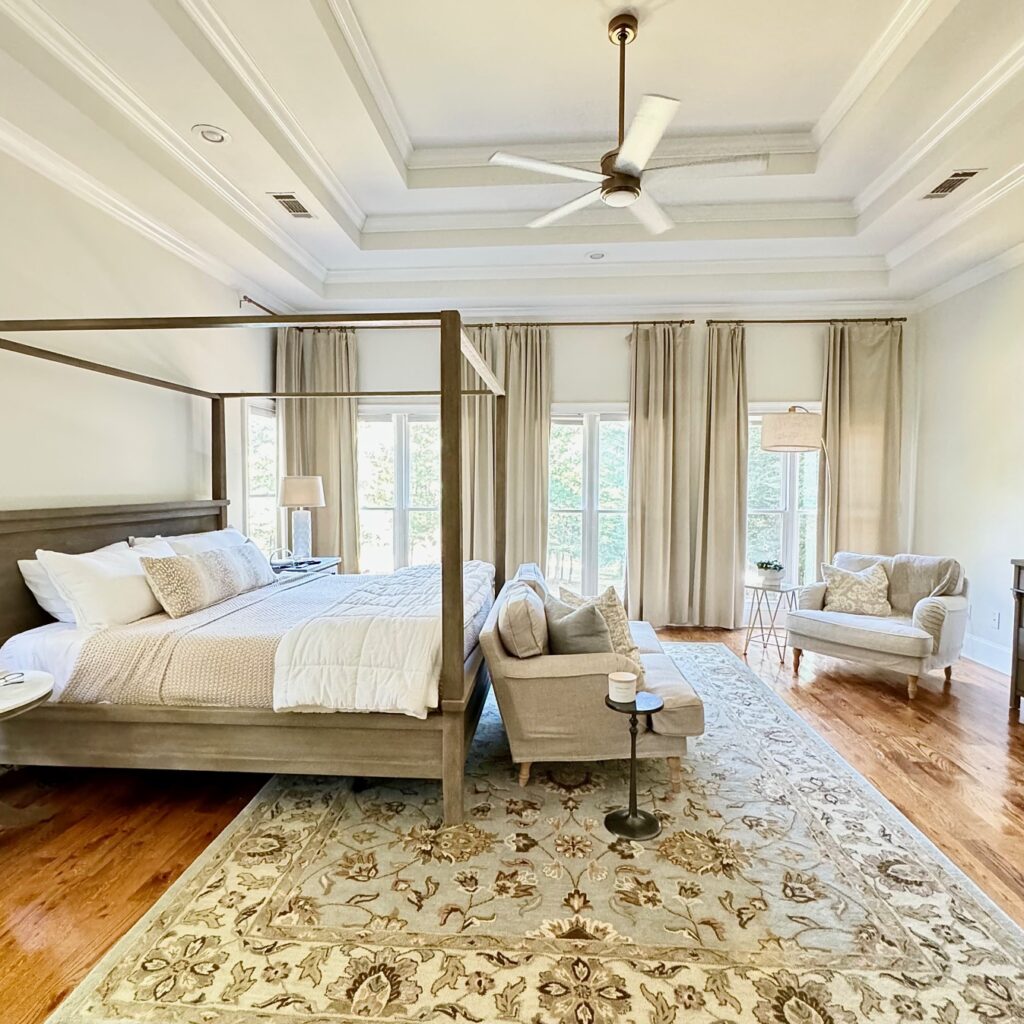
Pure white trim provides clear definition between surfaces, outlines architectural features, and adds brightness without overpowering the space. When paired with alabaster, it prevents the walls from blending too much into doors, baseboards, and crown molding.
Where Pure White Trim Shines Most
Pure white is especially effective on baseboards, door casings, window frames, crown molding, and built-in shelving. Using a semi-gloss or satin finish enhances contrast through subtle light reflection.
The Subtle Luxury Factor
There’s an understated elegance to this combination. It doesn’t scream for attention, but it quietly signals quality and intention—much like a tailored white shirt paired with a soft cashmere sweater.
Alabaster Walls with Pure White Trim in Different Rooms
One of the biggest advantages of <strong>alabaster walls with pure white trim</strong> is how seamlessly they move from room to room.
Living Rooms
In living spaces, this combination enhances natural light, creates a neutral backdrop for furniture and artwork, and works beautifully with both warm wood tones and cool metals. Texture through rugs, pillows, and layered lighting prevents the space from feeling flat.
Bedrooms
In bedrooms, alabaster walls feel soothing rather than stark. Paired with pure white trim, the room feels fresh but still cozy—ideal for rest and relaxation.
Kitchens
Alabaster walls soften white cabinetry, balance stainless steel appliances, and pair effortlessly with marble or quartz countertops, while pure white trim keeps the look crisp.
Bathrooms
In bathrooms, this palette reflects light, feels spa-like, and complements a wide range of fixture finishes, from brass to matte black.
Lighting Considerations That Make or Break the Look
Lighting is the silent partner in any paint decision. Natural daylight makes alabaster appear brighter and more neutral, while low-light spaces bring out its warmth. Warm LED bulbs between 2700K and 3000K help maintain balance. Painting ceilings in pure white while keeping walls alabaster adds height and brightness without visual heaviness.
Popular Design Styles That Love This Color Combo
This pairing works effortlessly in modern farmhouse interiors, transitional homes, minimalist spaces, and traditional architecture. Its flexibility allows it to act as either a supporting backdrop or a defining design feature.
Common Mistakes to Avoid
Using the same finish on walls, trim, and ceilings flattens the look. Ignoring undertones in furniture can create visual tension, and skipping sample testing often leads to regret. Paint always behaves differently in real-world lighting.
Real-Life Examples and Design Scenarios
Many dated homes instantly feel newer when beige walls and dark trim are replaced with alabaster walls and pure white trim. Natural light improves, furniture feels intentional, and spaces photograph better—one reason staging professionals rely on this palette.
Cost, Resale Value, and Practical Benefits
Neutral paints like alabaster and pure white are affordable, widely available, and easy to maintain. Homes with light neutral walls often sell faster and appeal to a broader range of buyers, making this a financially sound choice.
Frequently Asked Questions
Does alabaster look yellow next to pure white trim?
No. While alabaster is warm, pure white trim balances it, preventing yellow tones from dominating.
Can I use alabaster walls with pure white trim in open floor plans?
Yes. It creates continuity while still defining architectural details.
What sheen is best for alabaster walls?
Matte or eggshell finishes provide softness without excess shine.
Should ceilings be alabaster or pure white?
Pure white ceilings enhance brightness and perceived height.
Does this work in small rooms?
Absolutely. Light neutrals visually expand tight spaces.
Will this look go out of style?
Highly unlikely. This pairing has remained popular for decades.
Can bold colors work with this palette?
Yes. It acts as a neutral canvas for strong accents.
Is this good for rental properties?
Yes. It’s widely appealing, durable, and easy to touch up.
Conclusion
Design trends come and go, but alabaster walls with pure white trim remain timeless because they balance warmth, brightness, and versatility. Whether you’re updating a single room or an entire home, this combination delivers emotional comfort, visual clarity, and long-term value—without ever feeling boring.
Admin Recommendation
PushYourDesignFinteriors: Where Bold Ideas Meet Beautiful Spaces