
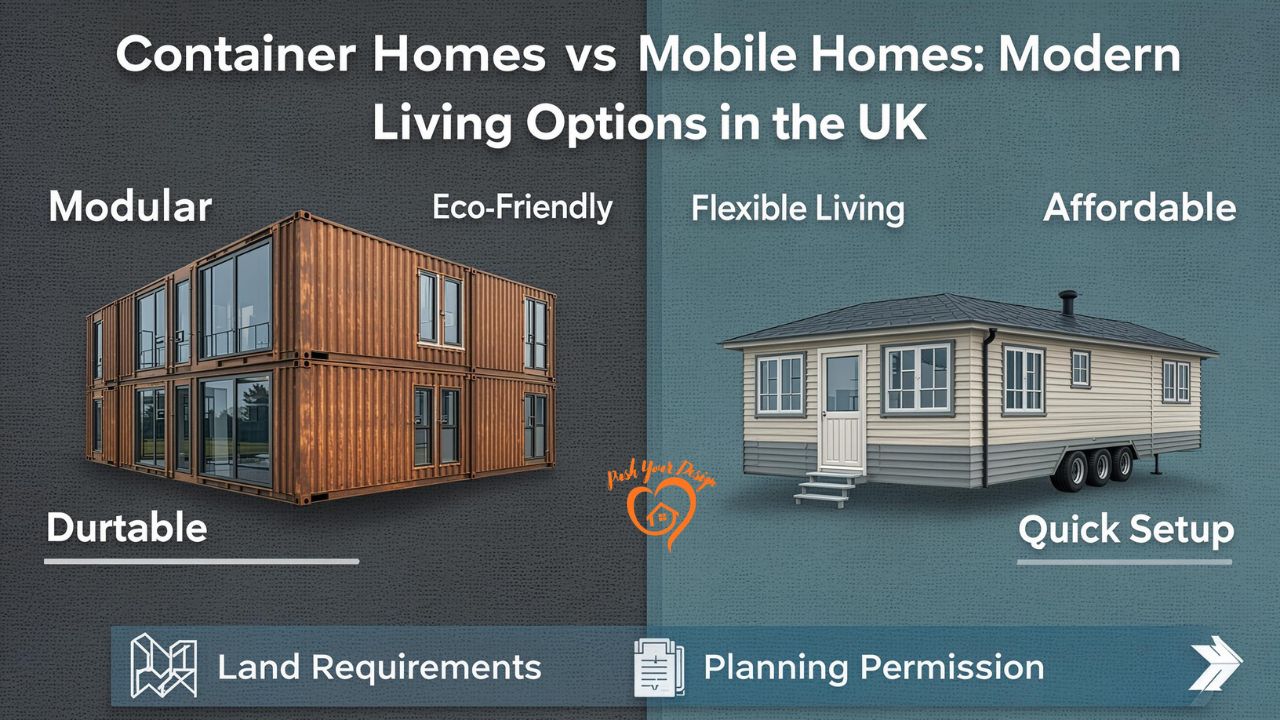
The UK housing market is changing fast. Buyers are looking for practical, flexible and cost-conscious ways to live, invest and expand their options. That is why interest in alternative housing continues to grow across the country. Among the most discussed solutions today are container homes UK and mobile homes.
At first glance, these options may appear similar. Both are associated with modern, compact living and both attract people who value flexibility. Yet in reality, they serve different needs, appeal to different buyers and offer very different long-term advantages. For anyone exploring the market – whether for personal use, investment or simply to recommend a smart option to family, clients or business partners – understanding the difference is increasingly important.
Why alternative housing is gaining ground in the UK
Traditional housing remains the default choice for many people, but rising costs, land pressure and changing lifestyles are creating room for new models. Buyers want homes that are faster to deliver, easier to manage and better aligned with modern expectations around design and efficiency.
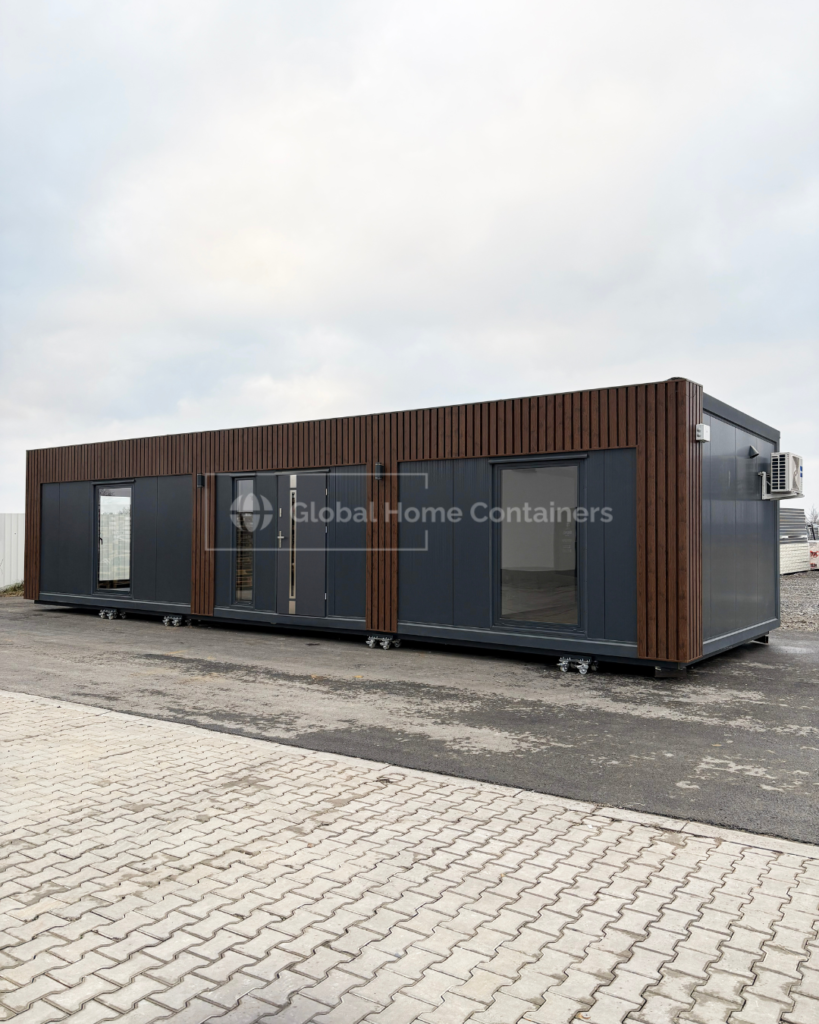
This is where container homes UK enter the conversation. They are increasingly recognised as a modern housing option that combines structural durability, visual appeal and design flexibility. At the same time, mobile homes remain a familiar solution for holiday living, retirement settings and certain residential uses. The two categories may overlap in public perception, but they are not the same product.
What sets container homes apart?
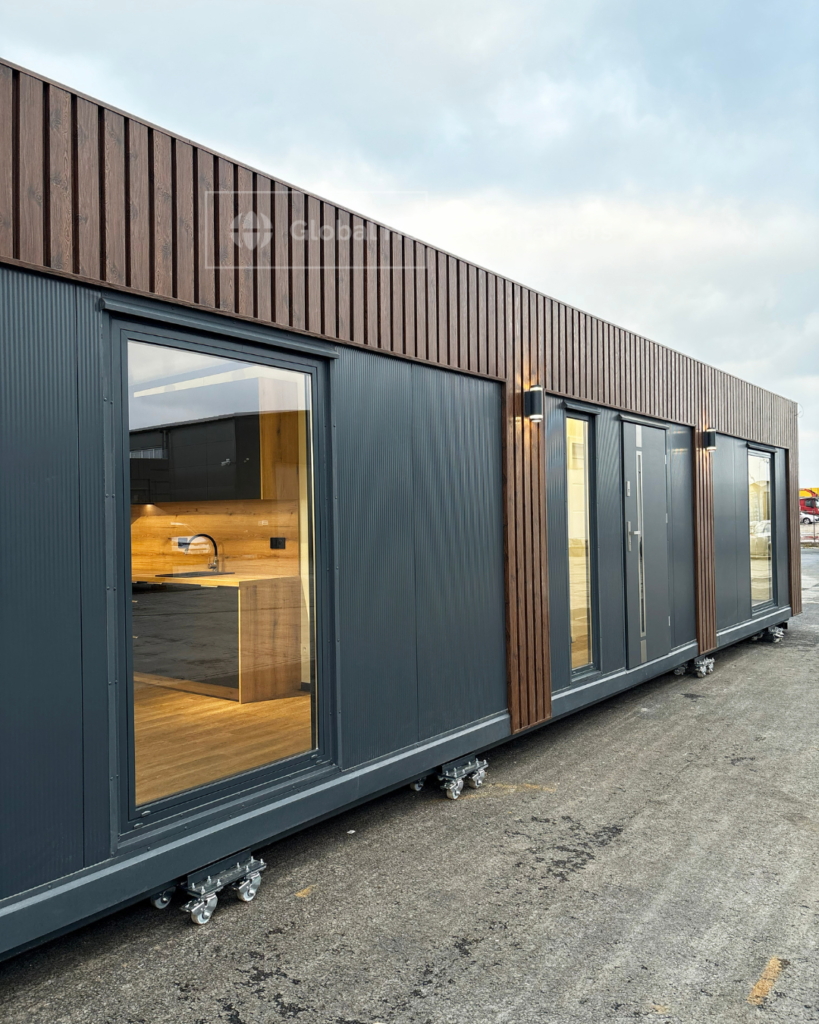
One of the biggest strengths of modern container homes is their strong architectural identity. They are often chosen by buyers and developers who want a home that feels contemporary, efficient and distinctive. Rather than being seen as a temporary compromise, these homes are now part of a broader movement toward intelligent, design-led living.
Their appeal often includes:
- A modern and recognisable visual style.
- Efficient use of available space.
- Flexible layout options for different lifestyles.
- Strong interest from investors and private buyers.
- A fresh alternative to conventional housing formats.
In the UK market, these features matter. Many buyers want a home that does more than solve a space issue. They want something that reflects modern priorities: speed, simplicity, practicality and clear value.
Where mobile homes still hold their place
Although the market is evolving, mobile homes continue to play an important role. They are well known, widely understood and often associated with established parks, seasonal stays and compact residential use. For some buyers, familiarity is a major advantage.
Typical reasons people consider mobile homes include:
- Lower entry costs in some market segments.
- Suitability for holiday and leisure settings.
- Straightforward layouts.
- Availability in dedicated communities or parks.
- A practical option for simple living arrangements.
That said, many modern buyers are now comparing these homes with newer alternatives that offer a stronger contemporary feel and greater design impact. This is one reason why container homes UK are becoming more visible across discussions about future housing.
Container homes vs mobile homes
When comparing both options, the key difference is not just mobility or structure. It is the overall lifestyle proposition. One is often seen as a traditional compact living format, while the other is increasingly positioned as a modern housing concept with broader architectural and investment appeal.
| Factor | Container homes UK | Mobile homes |
| Design image | Modern and distinctive | Familiar and traditional |
| Buyer appeal | Lifestyle-focused, design-conscious | Practical and established |
| Perceived value | Contemporary and innovative | Functional and accessible |
| Flexibility of concept | Strong visual and planning potential | Often more standardised |
| Market perception | Growing and forward-looking | Longstanding and known |
This is exactly why developers, landowners and private buyers are paying more attention to modern container homes. They offer more than accommodation. They create a story around the property – and in today’s market, that story matters.
A smart option for buyers and referrers alike
Not everyone reading about alternative housing is planning to buy immediately. Some are researching trends. Others are helping friends, relatives, clients or investors explore practical options. In that context, understanding the strengths of container homes UK can be highly useful.
These homes attract attention because they speak to several modern needs at once: efficient living, contemporary design and market differentiation. For businesses selling modular and alternative homes, this creates a strong opportunity to educate the market while inspiring future enquiries.
Why interest will keep growing
As housing expectations continue to evolve, the demand for flexible and visually appealing living solutions is likely to increase. Buyers are no longer focused only on square footage. They are also thinking about style, speed, usability and long-term value.
That is why container homes UK are becoming such a relevant topic in the British market. They represent a modern answer to changing residential needs, while mobile homes remain a useful benchmark for comparison. Together, they help buyers better understand what is possible today.
For companies operating in this space, the message is clear: the market is ready for smarter conversations about modern living. And for anyone considering a recommendation, referral or future purchase, now is the perfect time to look more closely at what these solutions can offer.