Introduction
Walk into a well-designed modern home and you’ll feel it instantly—clean lines, open space, and a sense of calm that doesn’t try too hard. That feeling is the essence of contemporary design style. It’s not just about aesthetics; it’s about how a space works, flows, and adapts to real life.
Unlike rigid design trends that fade quickly, this approach evolves with time. That’s exactly why people are drawn to it—it reflects what’s current without locking you into something outdated in a year. If you’re building, renovating, or just upgrading your space, understanding this style is not optional anymore—it’s the baseline for modern living.
The real value here? Better functionality, higher perceived property value, and a space that actually supports your lifestyle instead of fighting against it.
What Is Contemporary Design Style?
At its core, contemporary design style refers to what’s trending in interior design right now—not a fixed look, but a fluid concept that evolves with time.
Key Characteristics
- Clean, straight lines with minimal clutter
- Neutral color palettes with strategic accents
- Open layouts and breathable spaces
- Functional furniture over decorative excess
- Natural light as a core design element
This isn’t minimalism, and it’s not modern design either (which is a specific historical movement). Contemporary design style borrows from both but remains flexible and adaptable.
Core Elements of Contemporary Design Style
Neutral Color Foundations
Contemporary interiors lean heavily on neutral tones—think whites, greys, beiges, and soft blacks. These colors create a calm base that allows other elements to stand out.
But here’s where most people mess up: they think neutral means boring. It doesn’t. The trick is layering textures—matte walls, glossy finishes, soft fabrics—to create depth without clutter.
Open and Functional Layouts
Forget cramped rooms and unnecessary walls. Open-plan layouts dominate because they maximize space and improve movement.
- Living + dining integration
- Kitchen islands as social hubs
- Seamless transitions between spaces
This isn’t just aesthetic—it’s practical. It reflects how people actually live today.


Clean Lines and Geometry
Curves exist, but they’re controlled. Furniture, architecture, and decor focus on structure and simplicity.
- Straight-edged sofas
- Rectangular tables
- Linear lighting fixtures
This gives the space a sharp, intentional look—nothing feels accidental.
Materials That Define Contemporary Spaces
Natural Meets Industrial
One of the strongest aspects of contemporary design style is material contrast.
- Wood + metal
- Glass + stone
- Concrete + soft textiles
This combination creates balance—warmth meets structure.
Sustainable and Smart Choices
Modern buyers care about sustainability. That’s not a trend—it’s a requirement now.
- Eco-friendly materials
- Energy-efficient lighting
- Smart home integration
If your design ignores this, you’re already behind.
Furniture in Contemporary Design Style
Function Over Decoration
Every piece should serve a purpose. If it doesn’t, it shouldn’t be there.
- Modular sofas
- Hidden storage solutions
- Multi-functional furniture
This approach reduces clutter and improves usability.
Statement Pieces (Used Sparingly)
One bold piece can define the entire room—a sculptural chair, a unique coffee table, or an oversized artwork.
But here’s the mistake people make: adding too many “statement” items. That just creates chaos.


Lighting in Contemporary Interiors
Lighting isn’t just functional—it’s architectural.
Types of Lighting
- Ambient (general lighting)
- Task (focused lighting for work areas)
- Accent (highlighting features or decor)
Layering these creates depth and flexibility.
Natural Light as a Priority
Large windows, glass doors, and minimal window treatments are essential.
If your space lacks natural light, you need to compensate with smart artificial lighting—otherwise, the whole design falls flat.
Contemporary Design Style vs Modern Design
People confuse these constantly, so let’s clear it up.
| Feature | Contemporary | Modern |
|---|---|---|
| Timeframe | Current trends | Early–mid 20th century |
| Flexibility | High | Fixed style |
| Materials | Mixed | Wood, leather, steel |
| Colors | Neutral + bold accents | Earth tones |
If you’re designing today, you’re dealing with contemporary design style—not modern design.
Common Mistakes to Avoid
Let’s be blunt—most people ruin their interiors by misunderstanding the basics.
Over-Minimalism
Empty space doesn’t equal good design. If your room feels lifeless, you’ve gone too far.
Ignoring Functionality
A beautiful space that doesn’t work is useless.
Poor Lighting
Bad lighting kills even the best-designed rooms.
Trend Overload
Chasing every trend leads to a messy, inconsistent space.
How to Apply Contemporary Design Style in Your Home
Living Room
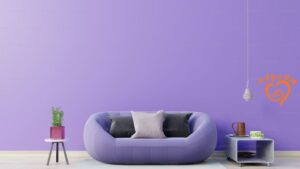
- Neutral sofa + textured cushions
- Minimal decor with one focal piece
- Open layout with defined zones
Bedroom
- Soft lighting
- Simple bedding with layered textures
- Minimal furniture
Kitchen
- Clean cabinetry (handle-less if possible)
- Neutral tones with metallic accents
- Functional layout with smart storage


Why Contemporary Design Style Works in Today’s Market
If you’re in e-commerce, real estate, or product design, this matters more than you think.
It Sells Better
Clean, modern visuals convert better—whether it’s property listings or product photos.
It Appeals to a Wider Audience
Neutral, functional design attracts more buyers than niche styles.
It Increases Perceived Value
A well-designed contemporary space looks expensive—even if it isn’t.
This isn’t subjective—it directly impacts conversion rates and customer perception.
FAQ
Frequently Asked Questions
What defines contemporary design style?
It’s defined by current trends—clean lines, neutral colors, functional layouts, and a mix of materials that reflect modern living.
Is contemporary design style expensive?
Not necessarily. It’s more about smart choices than expensive ones. You can achieve it with budget-friendly materials if done correctly.
Can I mix contemporary design style with other styles?
Yes, but carefully. It blends well with minimalist, industrial, and even Scandinavian elements.
What colors work best in contemporary interiors?
Neutral tones dominate, with occasional bold accents like black, navy, or deep green.
Is contemporary design style suitable for small spaces?
Absolutely. In fact, it works better because it emphasizes openness and functionality.
How often does contemporary design style change?
It evolves continuously. What’s contemporary today may shift slightly in a few years, but the core principles remain.
What type of furniture suits contemporary design style?
Simple, functional furniture with clean lines—nothing overly decorative.
Does contemporary design style require minimalism?
No. It’s about balance, not emptiness.
Conclusion
If you strip away the hype, contemporary design style comes down to one thing: intentional living. Every element has a purpose, every detail contributes to the whole, and nothing exists just for the sake of filling space.
If your current setup feels cluttered, outdated, or inefficient, the problem isn’t your budget—it’s your approach. Fix the fundamentals: layout, lighting, materials, and function.
Get those right, and everything else falls into place.