Introduction
The moment someone walks into your home, they form an impression within seconds. An entry way table might seem like a small detail, but it has the power to define that first experience. It anchors the space, welcomes guests, and quietly tells a story about your style.
More than just a decorative surface, this humble piece of furniture blends function and personality. Whether you live in a cozy apartment or a spacious house, the right setup can transform an empty wall into a practical and beautiful focal point.
If you’ve ever struggled with clutter by the door, misplaced keys, or a hallway that feels incomplete, you’re not alone. A thoughtfully chosen and styled table can solve those everyday frustrations while elevating your home’s aesthetic.
Let’s explore how to choose, style, and maximize this essential piece so it works perfectly for your space and lifestyle.
Why an Entry Way Table Matters in Home Design
An entryway is a transitional space. It bridges the outside world and your private sanctuary. While often overlooked, it plays a major role in how organized and inviting your home feels.
The Functional Purpose
A well-designed table in the entry area can:
- Hold keys, wallets, and daily essentials
- Provide storage for mail and small items
- Display decor that reflects your personality
- Offer a drop zone for bags and accessories
When chosen carefully, it prevents clutter from spreading deeper into your home.
The Emotional Impact
Design influences mood. Walking into a tidy, styled entry creates a sense of calm. Fresh flowers, warm lighting, or meaningful objects placed thoughtfully can shift the energy of the space instantly.


Choosing the Right Entry Way Table for Your Space
Not all entryways are created equal. The best choice depends on size, layout, and how you use your home.
Measure Before You Buy
Start with accurate measurements. Ideally:
- Leave at least 30–36 inches of walkway clearance
- Choose a depth between 10–15 inches for narrow hallways
- Ensure height aligns comfortably with nearby decor (usually 28–32 inches tall)
A slim profile works best in tight spaces, while larger foyers can handle more substantial designs.
Consider Storage Needs
Ask yourself:
- Do you need drawers for small items?
- Would open shelving help store baskets?
- Do you prefer a minimalist look with no visible storage?
Homes with children often benefit from closed storage to hide clutter quickly.
Match Your Interior Style
Your table should harmonize with the rest of your home. Popular styles include:
- Modern: Clean lines, metal frames, glass tops
- Rustic: Reclaimed wood, natural finishes
- Traditional: Carved legs, rich wood tones
- Scandinavian: Light wood, simple silhouettes
- Industrial: Metal accents, darker finishes
Consistency creates visual flow from one room to another.
How to Style an Entry Way Table Like a Designer
Styling isn’t about filling space; it’s about balance and intention.
The Rule of Layers
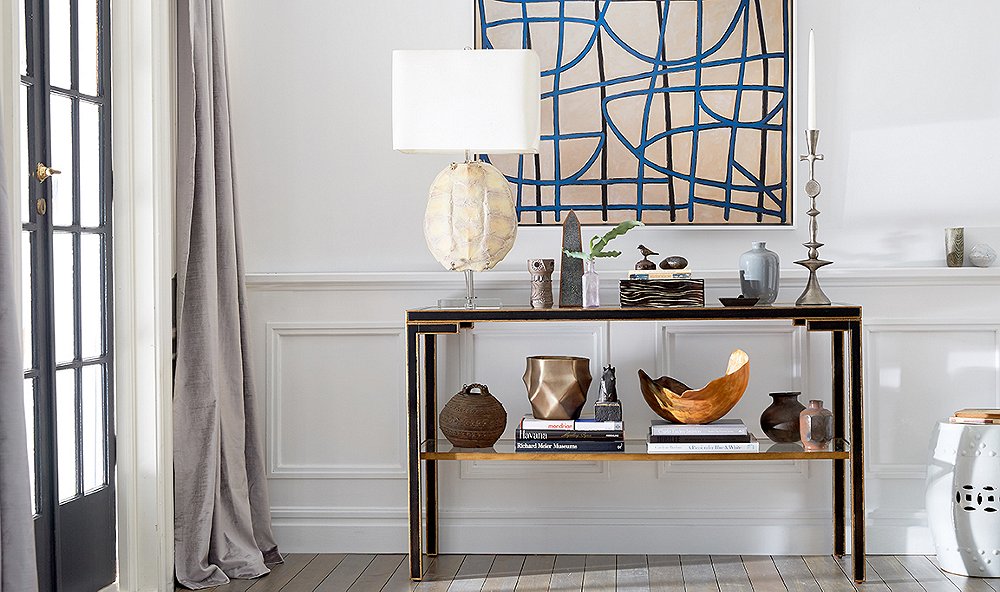
Professional stylists often use three layers:
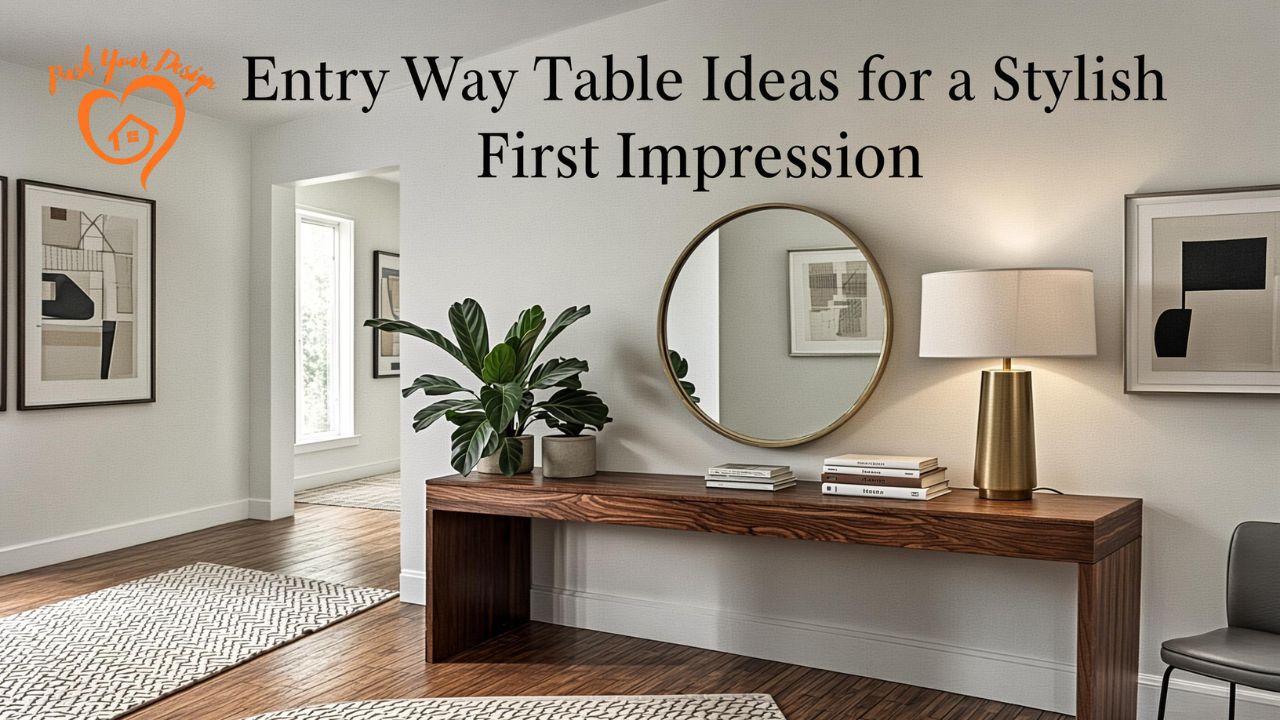
- Vertical layer – Mirror or artwork above the table
- Mid layer – Lamp, vase, or sculpture
- Base layer – Baskets, stools, or storage underneath
This creates dimension and prevents the setup from looking flat.
Use the Power of Symmetry
For a polished look:
- Place matching lamps on both ends
- Add identical vases
- Center artwork precisely
For a relaxed feel, try asymmetry—balance a tall lamp on one side with stacked books and a small plant on the other.
Add a Mirror for Light and Space
Mirrors reflect natural light and make small entryways appear larger. They also provide a last-minute check before heading out the door.
Round mirrors soften sharp edges, while rectangular mirrors enhance structure.
Storage Solutions That Keep Clutter Away
An entry area often becomes a catch-all zone. Smart organization prevents chaos.
Drawer Organization Tips
Inside drawers, use:
- Small trays for keys and coins
- Dividers for mail
- Dedicated compartments for sunglasses or chargers
This keeps daily items accessible without creating visual clutter.
Under-Table Storage Ideas
The area beneath the table is valuable real estate.
Consider:
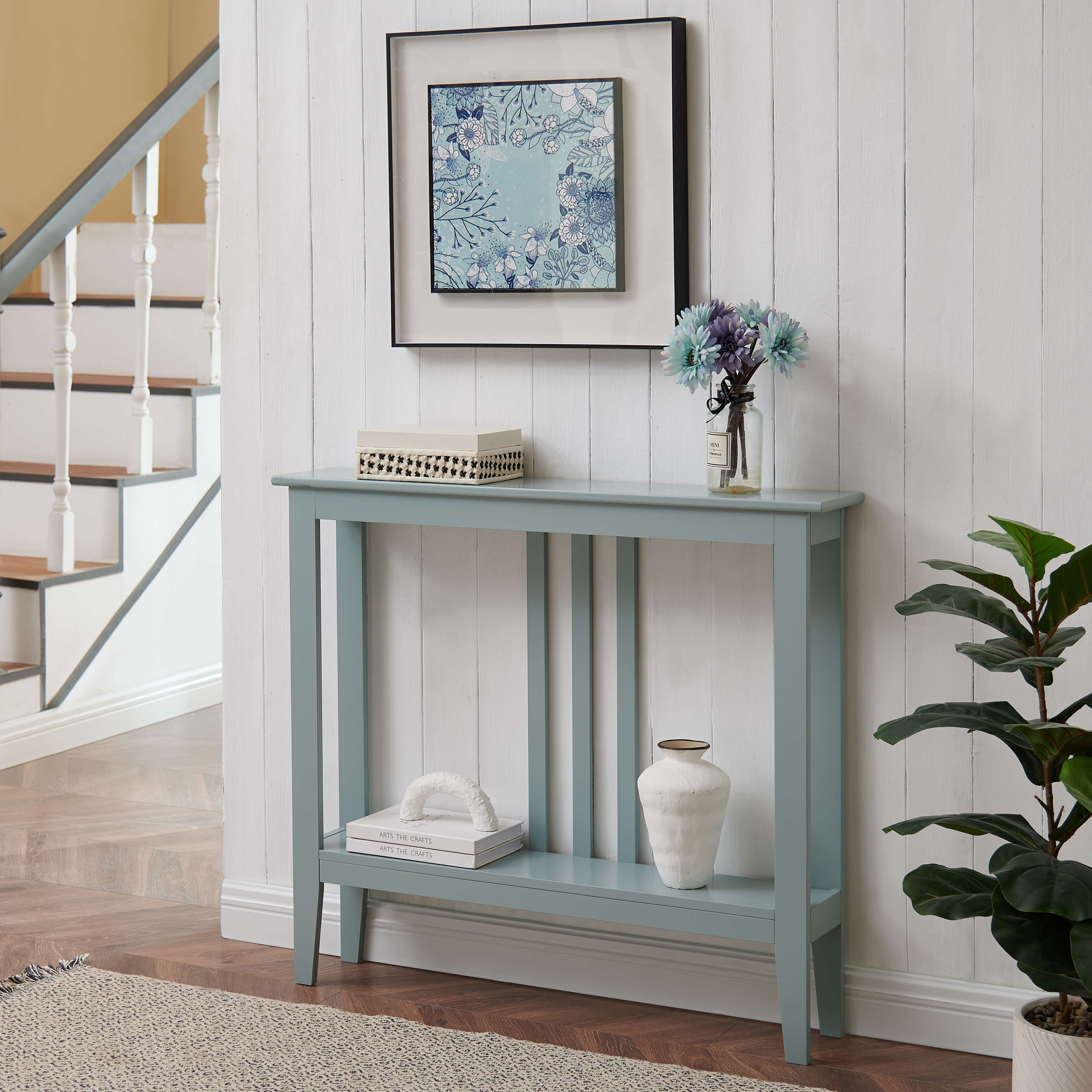
- Woven baskets
- Storage cubes
- Decorative trunks
- Small ottomans
These options add texture while hiding shoes or seasonal items.
Entry Way Table for Small Spaces
Living in a compact apartment doesn’t mean sacrificing style.
Wall-Mounted Options
Floating consoles create the illusion of space and free up floor area. They’re ideal for narrow corridors.
Corner Placement
If your entryway blends into a living room, try placing the table along a side wall or in a corner to define the area subtly.

Multi-Functional Designs
Look for tables that double as:
- Shoe racks
- Bench seating
- Fold-out desks
Versatility is key when square footage is limited.
Seasonal Styling Ideas
Refreshing decor throughout the year keeps your entry dynamic.
Spring & Summer
- Fresh flowers
- Light linen runners
- Coastal decor accents
Fall
- Warm-toned candles
- Mini pumpkins
- Woven textures
Winter
- Evergreen garlands
- Metallic accents
- Soft lighting for warmth
Rotating small decorative elements keeps the space feeling current without major changes.
Materials and Durability Considerations
Choosing the right material affects longevity and maintenance.
Solid Wood
- Durable and timeless
- Develops character over time
- Requires occasional polishing
Glass
- Elegant and modern
- Easy to clean
- Shows fingerprints easily
Metal
- Industrial aesthetic
- Highly durable
- Often paired with wood or glass
MDF or Engineered Wood
- Budget-friendly
- Lightweight
- Best for low-impact areas
Consider traffic levels and household activity when deciding.
Lighting: The Secret Ingredient
Lighting can elevate even the simplest setup.
Table Lamps
Provide warm ambient light. Choose a height that complements artwork or mirrors.
Wall Sconces
Save surface space while adding elegance.
Overhead Pendant
In larger foyers, a statement fixture above the table adds drama and cohesion.
Lighting transforms the entry into an inviting, lived-in space rather than a pass-through corridor.
Common Mistakes to Avoid
Even a beautiful table can feel awkward if styled incorrectly.
- Choosing a piece too large for the space
- Overcrowding with decor
- Ignoring lighting
- Forgetting functionality
- Blocking natural pathways
Keep balance in mind. Leave breathing room.
FAQ
What size should an entry way table be?
It should fit comfortably within your hallway while allowing at least 30 inches of walking space. Slim designs work best in narrow areas.
Can I use a desk instead of a console table?
Yes, especially in small apartments. A slim desk can function similarly while offering additional utility.
How do I keep my entry organized daily?
Create a routine. Designate spots for keys, mail, and bags. Empty clutter weekly.
Is a mirror necessary above the table?
Not required, but highly recommended. It enhances light and visual space.
What decor works best on top?
Layered items such as a lamp, a tray for essentials, greenery, and a few personal objects create a balanced look.
How often should I restyle my entry?
Seasonal updates are ideal, but even small monthly refreshes can keep the space inspiring.
Are drawers better than shelves?
Drawers hide clutter better, while shelves offer easier access. The choice depends on your lifestyle.
Can I style it without spending much?
Absolutely. Use items you already own—books, framed photos, plants, or baskets.
Conclusion
An entry way table is more than just furniture—it’s the handshake of your home. It sets the tone, keeps daily life organized, and reflects your personal style in subtle but powerful ways.
By choosing the right size, layering decor thoughtfully, and prioritizing both beauty and function, you create a welcoming space that feels intentional rather than accidental.
Whether your entry is grand or compact, investing attention into this area makes your entire home feel more cohesive. After all, first impressions matter—and yours can be effortlessly stylish.