Introduction: Making Your Home Feel Like Yours
Walk into any home design store or scroll through Pinterest long enough, and you’ll notice something interesting: a lot of homes start to look the same. Neutral sofas, minimalist kitchens, the same plants in the same corners. There’s nothing wrong with that—but a home truly comes alive when it reflects the people living in it.
Customizing your home interior and exterior design isn’t about chasing trends or spending a fortune. It’s about telling your story through colors, textures, layouts, and details that feel personal. Whether you’re in a small apartment or a standalone house, thoughtful customization can turn a generic space into a place you genuinely love coming back to.
Let’s talk about how to do that—practically, creatively, and without overthinking it.
Start With How You Actually Live (Not How Homes Look Online)
Before choosing paint colors or furniture styles, take a moment to observe your everyday life.
- Do you work from home and need calm, focused spaces?
- Do you love hosting friends and family?
- Do kids, pets, or hobbies shape how your home functions?
Design works best when it supports your routines. For example, an open-plan living area looks great in photos, but if you need quiet zones, adding room dividers, shelving units, or textured curtains can subtly define spaces without building walls.
Customization begins with function. Once your home works for you, style choices become much easier.
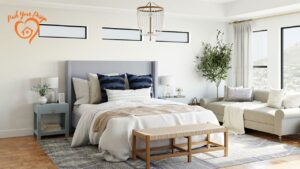
Interior Design: Small Personal Touches That Make a Big Difference
1. Color With Intention
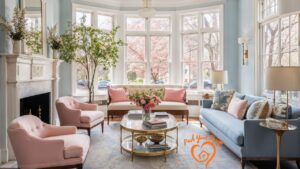
Color is one of the simplest ways to personalize a space. You don’t need bold walls everywhere—sometimes one accent wall, painted ceiling, or even a colorful door can shift the entire mood.
If you’re unsure, start with colors you already love in clothing or art. Those preferences often translate beautifully into interiors. Soft earth tones can create warmth, while deep blues or greens add character without overwhelming a room.
2. Walls That Tell a Story
Bare walls are a missed opportunity. This is where personality truly shines.
Family photos are great, but think beyond standard frames. A mix of illustrations, travel memories, typography, or custom print posters can turn a hallway or living room wall into a visual narrative. The beauty of custom print posters is that they let you choose imagery, quotes, or designs that actually mean something to you—rather than settling for mass-produced art.
One homeowner I worked with created a gallery wall using custom prints inspired by cities they had lived in. Every piece sparked a memory, and guests naturally gravitated toward that wall during visits.
3. Furniture That Feels Personal (Not Just Trendy)
Trends come and go, but comfort and function last.
Instead of replacing everything at once, consider mixing old and new. Reupholstering a chair, refinishing a table, or adding custom cushions can breathe new life into furniture you already own. Even small changes—like unique handles or hardware—can make standard furniture feel one-of-a-kind.
4. Layered Lighting for Mood and Function
Lighting is often overlooked, but it has a massive impact on how a space feels.
Combine different light sources:
- Overhead lighting for general use
- Table or floor lamps for cozy evenings
- Accent lighting to highlight artwork or architectural features
Warm lighting makes spaces feel inviting, while adjustable lighting gives you flexibility throughout the day.
Customizing Your Home’s Exterior: First Impressions Matter
Your exterior is the first thing people see—and it should feel just as intentional as your interior.
1. Color and Materials That Reflect Your Style
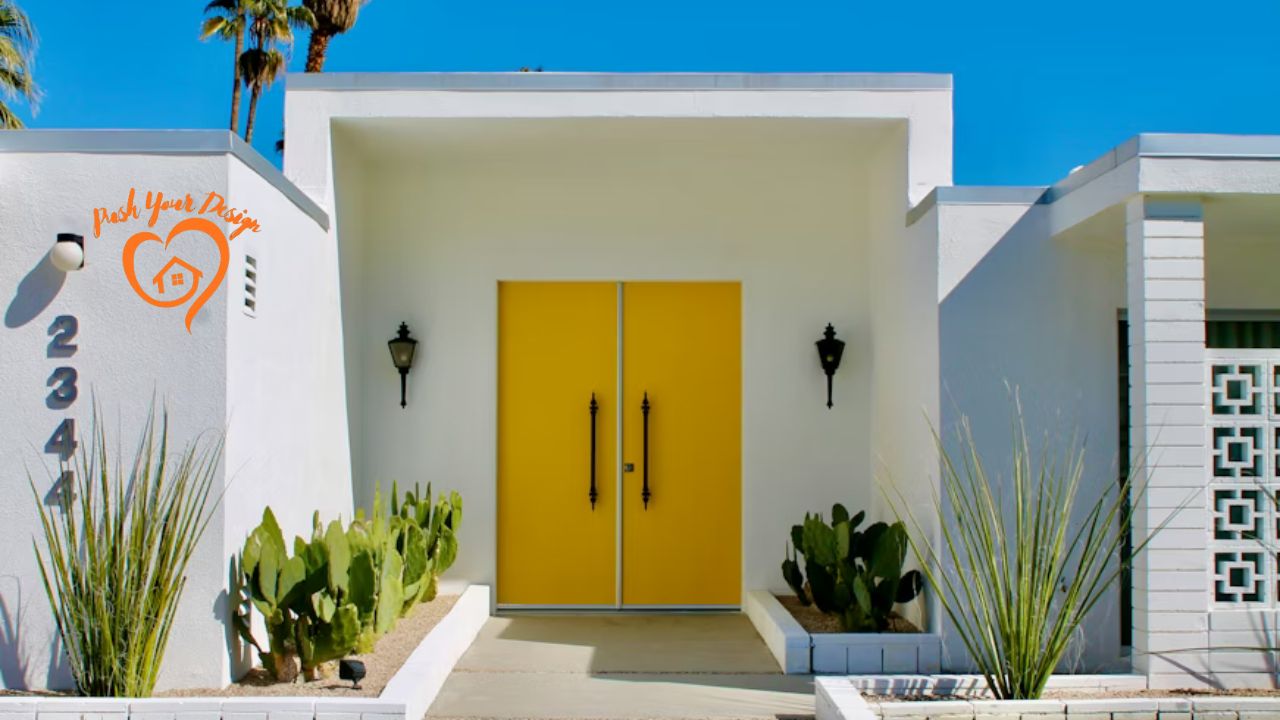
A fresh coat of paint can completely transform a home’s exterior. Even if you stick with neutral tones, small contrasts—like a darker front door or window trim—add personality.
If painting the whole house isn’t an option, focus on details: railings, shutters, or garage doors. Natural materials like wood, stone, or metal accents also bring texture and depth.
2. Entryways With Character
Your front door sets the tone. A bold color, unique door knocker, or custom house numbers instantly make a home feel more personal.
Adding outdoor lighting and potted plants creates a welcoming entrance, even in small spaces. These changes are affordable but impactful.
3. Outdoor Spaces as an Extension of Your Home
Balconies, patios, and gardens shouldn’t feel like an afterthought.
Think of outdoor spaces as extra rooms. Comfortable seating, outdoor rugs, and weather-resistant art or custom print posters designed for exterior use can turn a simple balcony into a favorite spot for morning coffee or evening relaxation.
One family transformed their backyard fence into a creative backdrop using weatherproof custom prints featuring botanical illustrations. It added charm without requiring major landscaping work.
Blending Interior and Exterior Design Seamlessly
The most cohesive homes feel connected inside and out.
- Repeat colors or materials across spaces
- Use similar textures (wood, metal, fabrics)
- Maintain a consistent design mood
For example, if your interior leans warm and natural, extend that feeling outdoors with wooden furniture, soft lighting, and earthy tones. This creates a natural flow and makes the home feel larger and more intentional.
Personalization Without Overspending
Customization doesn’t have to mean custom-built everything.
Here are budget-friendly ways to personalize your home:
- DIY wall art or framed custom print posters
- Removable wallpaper or decals
- Swapping out standard fixtures
- Thrifted furniture with small upgrades
- Seasonal changes in textiles and décor
These small, thoughtful choices often have more impact than expensive renovations because they’re tied to personal meaning.
Mistakes to Avoid When Customizing Your Home
Even with the best intentions, a few common mistakes can get in the way:
- Copying trends blindly: Inspiration is great, imitation isn’t.
- Overcrowding spaces: Leave room to breathe.
- Ignoring scale: Make sure furniture and décor suit the space.
- Forgetting cohesion: Variety is good, chaos isn’t.
Taking your time and making intentional choices leads to better results—and fewer regrets.
Conclusion: A Home That Grows With You
Customizing your home interior and exterior design is a journey, not a one-time project. Your tastes will evolve, and your home should be able to evolve with you.
By focusing on how you live, choosing meaningful details, and incorporating personal elements like custom print posters, you create a space that feels authentic and lived-in—not staged or temporary.
At the end of the day, the best-designed homes aren’t the ones that look perfect online. They’re the ones that feel right when you walk through the door. And that’s something no trend can replace.
Admin Recommendation
PushYourDesignFinteriors: Where Bold Ideas Meet Beautiful Spaces