Introduction
A small living room can feel limiting at first, but it often becomes the most charming space in a home when designed with intention. Learning how to decorate small living room spaces is less about buying more things and more about making every choice work harder.
The challenge is familiar: limited floor area, awkward corners, too much furniture, and not enough breathing room. Yet many of the most beautiful interiors are created inside compact rooms because small spaces force clarity, discipline, and creativity.


A well-decorated small room should feel open, practical, and welcoming at the same time. That means balancing furniture scale, visual lightness, storage, texture, and color so the room feels complete without becoming crowded.
The good news is that even a narrow room, studio corner, or apartment lounge can feel premium with the right approach.
How to Decorate Small Living Room Without Making It Feel Crowded
The first principle is simple: space must remain visible. A room feels smaller when too much floor disappears under heavy furniture or too many decorative layers.
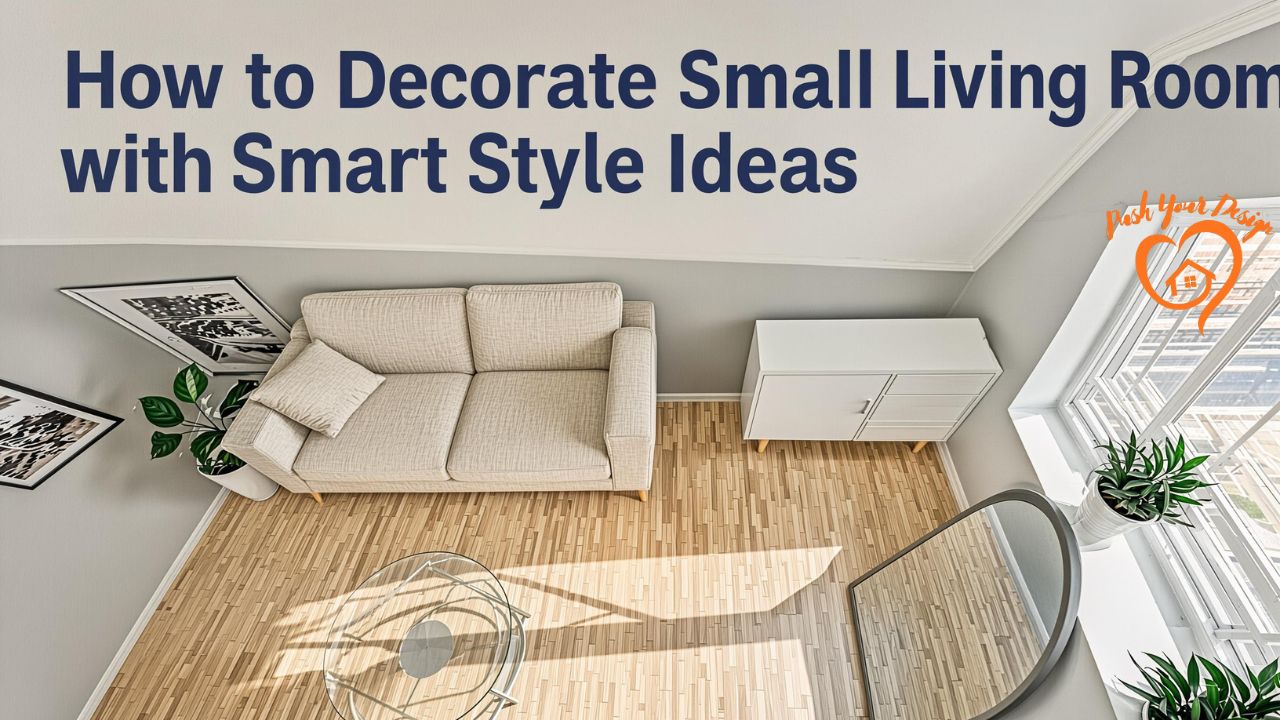
Choose fewer pieces, but choose them carefully. A compact sofa with raised legs often works better than a bulky sectional because the visible floor underneath creates visual openness.
Start With the Right Furniture Scale
Furniture should match the room, not overpower it.
A common mistake is buying standard-size furniture for a room that needs apartment-scale proportions.
Best choices include:
- slim-arm sofas
- nesting tables
- narrow console units
- open-leg chairs
- compact ottomans with storage
A loveseat often performs better than a three-seat sofa in tight rooms.
Leave Breathing Space Around Furniture
Push furniture only where it makes sense. Many people place every item against walls, thinking it creates more room, but this can flatten the layout.
Sometimes floating one sofa slightly forward improves balance and creates a more natural circulation path.
Use Color to Expand Visual Space
Color changes how walls are perceived immediately.
Light tones reflect more light and soften boundaries, making edges feel less restrictive.
Soft shades that work well include:
- warm white
- pale beige
- muted grey
- soft taupe
- light sage


Keep Contrast Controlled
A room can still have contrast, but strong dark blocks should be limited.
For example:
- use darker cushions instead of dark walls
- add black accents in frames or lamps
- keep major furniture visually light
Paint Vertical Elements Carefully
Curtains, shelving, and wall panels should help the eye move upward.
Floor-to-ceiling curtains instantly make ceilings appear taller.
Smart Layout Rules That Change Small Rooms
Understanding traffic flow matters more than decoration alone.
Before styling, ask:
- where do people walk?
- where does natural light enter?
- what is the room’s visual center?
Create One Clear Focal Point
Every small room needs one anchor.
That can be:
- a mirror
- artwork
- TV wall
- window
- bookshelf
If too many focal points compete, the room feels unsettled.
Use Angles Carefully
In narrow rooms, placing one chair diagonally can soften rigid lines.
This small shift often makes the room feel less boxed.
Wall Styling Matters More Than Floor Styling
When floor area is limited, walls become highly valuable.
Vertical design helps maintain openness.
Mirrors Create Immediate Depth
A large mirror opposite light is one of the strongest visual tools for compact interiors.
It reflects both brightness and room depth.


Best mirror placements:
- above sofa
- opposite window
- beside shelving
- near entry wall
Keep Wall Art Structured
Instead of many scattered frames, use one organized gallery line or one oversized piece.
Too many tiny decorations break visual calm.
Storage Should Disappear Into Design
Storage must feel integrated, not added later.
Choose Dual-Purpose Pieces
The best small-room furniture performs two jobs.
Examples:
- storage bench
- lift-top coffee table
- shelf with baskets
- side table with drawers
Use Vertical Storage
Tall shelves use wall height without taking much floor.
Open shelves work best when styled lightly:
- books
- one vase
- one candle
- small tray
- limited decorative objects
Textiles Can Make a Small Room Feel Richer
Soft materials create warmth without consuming space.
Rugs Define the Room
A rug should be large enough to sit under front furniture legs.
A rug that is too small visually shrinks the room.
Curtains Should Extend Higher
Mount curtain rods near ceiling level.
This creates height immediately.
Best curtain fabrics:
- linen
- cotton blend
- soft textured sheer panels
Lighting Is Essential in Compact Spaces
Small rooms fail when lighting is flat.
Layered lighting adds depth.
Use Three Light Levels
Combine:
- ceiling light
- floor or table lamp
- soft accent lighting
Avoid Heavy Lamp Bases
Slim lamps maintain openness.
Wall-mounted sconces are even better because they save table space.
How to Decorate Small Living Room for Different Styles
Different styles need different discipline in compact rooms.
Modern Style
Modern small rooms work best with:
- clean lines
- neutral palettes
- hidden storage
- minimal accessories
Cozy Style
For warmth:
- layered cushions
- warm throws
- textured rugs
- wood accents
Luxury Style
Luxury in small rooms comes from restraint.
Use:
- one statement mirror
- brass accents
- rich fabric
- controlled lighting
Furniture Placement Mistakes to Avoid
The wrong placement quickly reduces comfort.
Avoid Blocking Natural Light
Never place tall furniture directly in front of windows unless unavoidable.
Avoid Too Many Small Pieces
Many tiny furniture items often feel messier than one strong piece.
Avoid Overdecorating Every Surface
Leave some surfaces intentionally clear.
This creates visual relief.
Seasonal Styling for Small Living Rooms
Seasonal changes refresh compact rooms without major expense.
Summer Updates
Use:
- lighter cushions
- woven baskets
- fresh greenery
Winter Updates
Use:
- textured throws
- warm lamps
- deeper neutral fabrics
FAQ
How do I make a small living room look expensive?
Use fewer but better-looking pieces, maintain clean surfaces, add layered lighting, and include one strong focal item like a mirror or artwork.
What colors are best for a small living room?
Light neutrals usually work best because they reflect light and soften room boundaries.
Should I use a large sofa in a small room?
Usually no. A compact sofa with slim arms fits better and leaves visual breathing space.
Are mirrors necessary in small rooms?
They are not mandatory, but they are highly effective for adding depth.
Can dark colors work in small living rooms?
Yes, but usually as accents rather than full wall coverage.
How many decorative items should a small living room have?
Keep accessories selective. A few strong pieces perform better than many small objects.
Is wall-mounted furniture useful?
Yes, especially floating shelves, wall lights, and mounted consoles.
What rug size works best in a compact living room?
A rug large enough to connect furniture visually usually works best.
Conclusion
A beautiful small living room rarely happens by accident. It comes from making deliberate choices about scale, light, color, and balance.
Once you understand how to decorate small living room spaces thoughtfully, the room stops feeling limited and starts feeling intentional. Small rooms often become the most inviting part of a home because every detail matters more 🛋️✨🏠