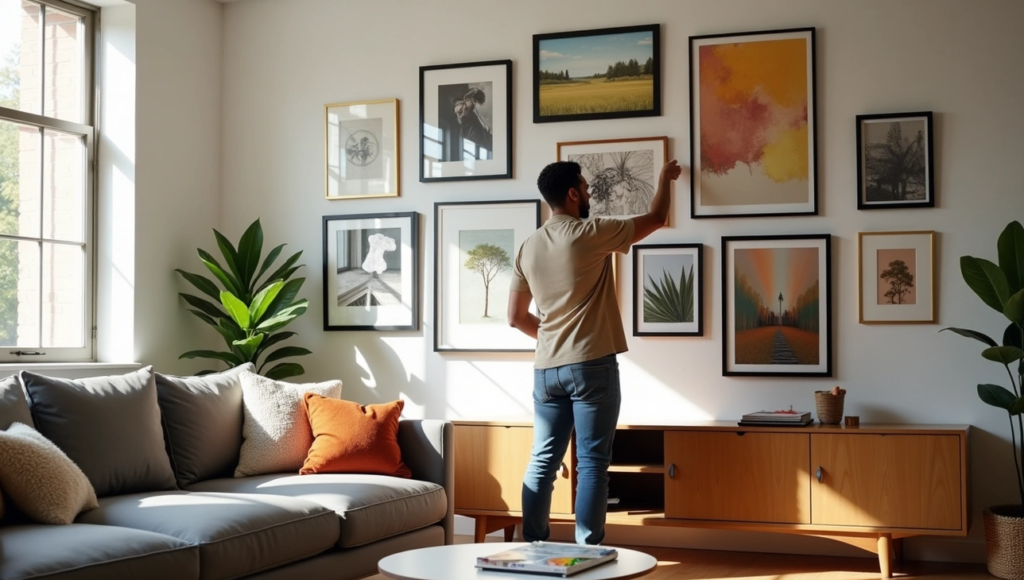
The way you decorate your walls says more about you than you might realize. The moment someone steps into your home, they experience an immediate emotional response—perhaps a sense of calm, a spark of energy, or a hint of playful creativity. Wall art often reflects your personality, memories, and aspirations, even when you haven’t consciously set out to communicate them.
Living room walls deserve particular care because this space naturally becomes the heart of the home. It’s where conversations unfold, guests gather, and everyday life takes shape. Thoughtful wall décor adds character and warmth while transforming a simple room into something distinctly personal. Colors, in particular, go beyond visual appeal; they act as an emotional language, setting the tone for how your space feels day after day. When chosen with intention, the right arrangement doesn’t just decorate a wall—it tells your story and surrounds you with what you genuinely enjoy seeing.
In this guide, you’ll discover how to turn empty walls into meaningful expressions of your style. Whether you gravitate toward minimalist refinement, bold maximalist displays, or something comfortably in between, the ideas ahead will help you shape a space that feels authentically yours.
Personalizing Your Space Through Art
DIY artwork is a powerful way to add your personal touch to living spaces. These projects help you create unique touches that match your style and turn ordinary rooms into expressions of your personality.
Learning DIY Art Options
You don’t need expensive investments to revolutionize blank walls. Beautiful DIY art pieces can come from everyday items in your house. Canvas painting is a popular choice—you don’t need artistic experience to create abstract designs with complementary colors and simple techniques. On top of that, here are some budget-friendly options:
- Photo gallery displays with simple cardstock prints (approximately $8 for 9 prints)
- Textile art with fabric scraps or yarn that adds texture
- Repurposed items like paint chips in geometric patterns
- Natural elements from your backyard mixed with spray paint on canvas
A corrugated foam core with nail heads can create striking word art or messages that appeal to you if you want more structure.
Benefits of Paint-by-Number Kitsfor Home Decor
Paint-by-number kits have evolved into sophisticated art creation tools for adults. These kits bring several advantages beyond filling wall space:
They are a great way to get stress relief and relaxation while improving focus and patience. The completion of a piece gives you a genuine sense of accomplishment and pride.
High-quality materials, including vibrant paints and sturdy canvases, should be your priority when picking a kit. Simpler designs like flowers or landscapes work better for beginners, while custom kits let you turn favorite photos into personalized masterpieces. Either way, with these kits, you get the privilege to start your project right away.
Showcasing Your Artwork in Various Rooms
The right display method makes all the difference with your artwork. Here are some designer approaches instead of traditional hanging:
Create depth by overlapping pieces—hang multiple works at varying heights from a ledge for a layered effect. A column of three pieces works well for narrow wall sections and creates visual impact. Your living room’s artwork should sit slightly lower than furniture to create an integrated look.
Art ledges are particularly versatile—they make frame swapping easy while creating pleasing depth through layering. A single large piece that takes up about two-thirds of your wall space above furniture creates a dramatic focal point with minimal clutter.
Note that walls aren’t the only option—your artwork can enhance bookshelves and open shelving to create special vignettes throughout your home.
Understanding Your Style: Minimalist, Maximalist, or In-Between
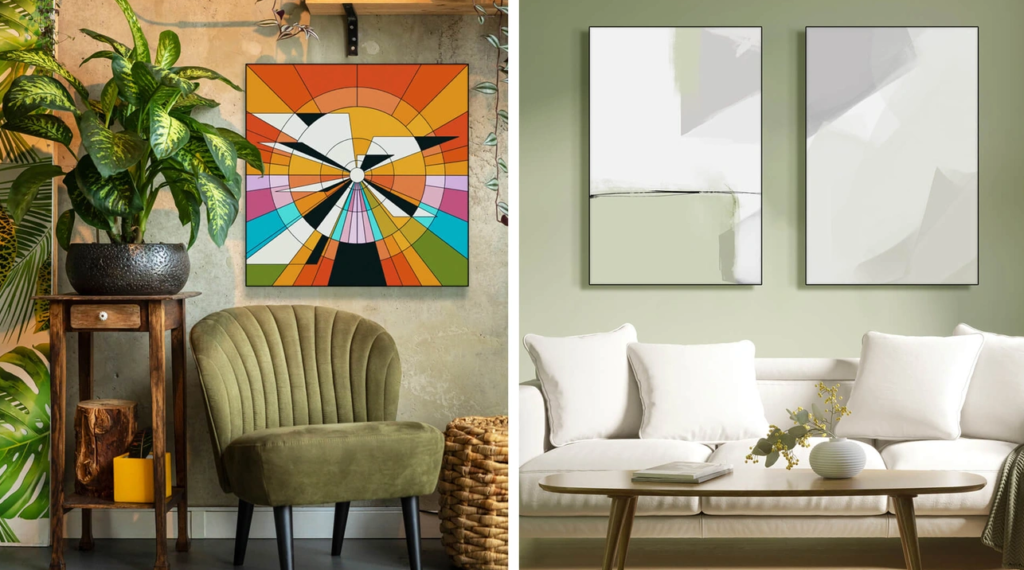
Your wall décor choices reveal a lot about your decorating personality and inner self. People have different comfort levels with wall decorations. These preferences show how you process visual information and what environment makes you feel at home.
Traits of minimalist wall decor
The minimalist wall styling follows the “less is more” principle. This style uses simple forms, clean lines, and basic finishes that create a peaceful atmosphere. Unlike other approaches, minimalist design turns empty space into something meaningful. The walls usually feature neutral colors with occasional primary color accents. Empty spaces become an essential design element rather than just blank areas.
Minimalist rooms prioritize functional pieces. The style uses smart storage furniture to hide clutter and keep the clean look intact. You’ll feel a sense of peace away from visual chaos, especially when you have a busy life filled with constant stimulation.
What maximalist walls say about you
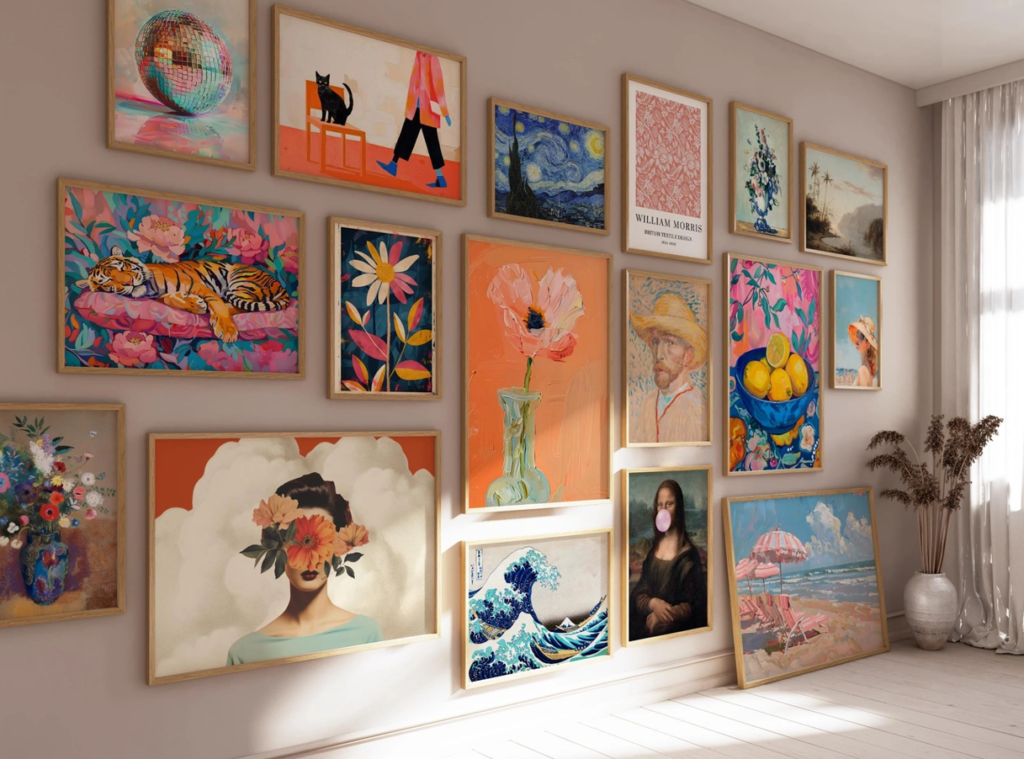
Maximalist wall décor shows your love for abundance, color, and visual storytelling. This style runs on contradictions that remain unresolved – picture baroque mirrors above concrete consoles or indigo batik pillows on leather sofas. While it might look like a visual free-for-all, successful maximalist walls need careful curation rather than random collecting.
Gallery displays with different frame sizes, mixed patterns, and bold colors dominate maximalist walls. Your maximalist preferences might show your creative, eclectic nature and ease with visual complexity. These walls become talking points that display your collections, travels, and life story.
Blending both styles for a balanced look
Most people’s style falls somewhere between these two extremes. The new “midimalist” trend takes elements from both approaches. A neutral background can highlight bold statement pieces or artwork. This method lets special items stand out without overwhelming the space.
Quality over quantity offers another way to bridge these styles. As one homeowner found, “The lesson here is that narrowing down your selection of decorative objects is fine, as long as you make the ones you do get count.”
The Psychology Behind Your Art Choices
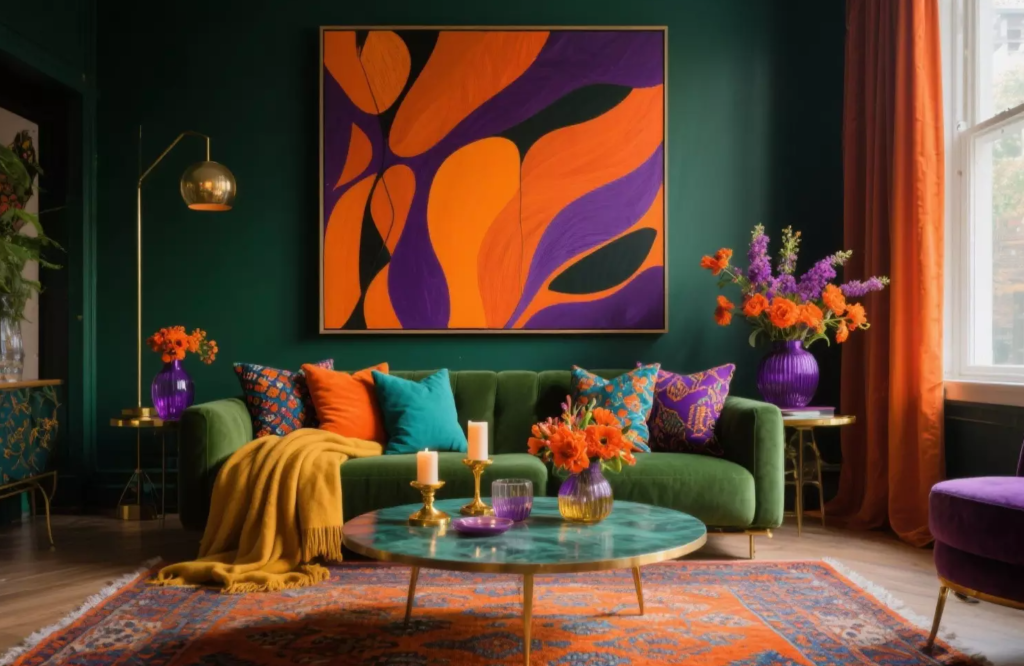
The art you choose tells a deeper story about who you are. Your wall decor picks reveal much more than just your taste – they offer a glimpse into your personality. Research shows a strong link between your art choices and personality traits that shape how you feel about your space.
How color choices reflect your mood
Colors trigger specific responses in your brain that shape your emotions. Studies show that blue spaces help you feel calm, while red boosts energy levels and gets people talking. The bedroom and meditation areas benefit from cool shades like green that lower blood pressure and ease stress.
Research proves that warm colors (reds, oranges, yellows) spark brain activity and raise heart rates. These colors work great in social spaces like living rooms where you want to encourage conversation.
Subject matter and what it reveals
Your favorite art themes mirror key parts of your personality. People who embrace new experiences usually like complex, abstract art. Those who are conscientious and agreeable tend to love impressionist styles. People with conservative views usually pick simple, realistic art, while liberals lean toward complex abstract pieces.
The way your eyes move across artwork links to your personality traits. People with neurotic tendencies focus on the left side of the artwork. This shows how your mental makeup guides what you see.
Choosing art based on what you need, not just what you like
Smart art choices can help shape your state of mind. Office spaces with abstract, energetic art boost creativity by 23%. Nature scenes in bedrooms make sleep 18% better.
Room function should guide your wall art choices. Peaceful landscapes work best in stressful areas, while inspiring pieces fit spaces where you need focus. This smart way of arranging wall art builds spaces that boost your mental health instead of just filling empty walls.
Letting Your Walls Evolve With You
Your art experience doesn’t end after hanging your first piece. Life brings growth, and the walls around you should reflect that growth. This creates a deeper connection with your space that mirrors your personal development and changing views.
How your taste changes over time
Time shapes your decorating priorities. That college dorm room poster might not appeal to you a decade later. Most homeowners find that their color choices and style preferences change by a lot every 5-7 years. Someone who once decorated everything in green might discover an attraction to completely different color schemes.
The Diderot effect explains this rise – a beautiful new item can make everything else look worn out and trigger more changes. This goes beyond following trends. Your space grows with you.
From prints to originals: growing with your space
Budget limits and uncertainty lead most people to start with reproduction prints. Your confidence grows with time, and you might want authentic pieces. Today’s high-quality reproductions let newcomers enjoy art that looks like originals while they develop their artistic sense.
Many collectors move toward original artwork as time passes. Each piece becomes a chapter in their life story. This shows both growing taste and deeper investment in their surroundings.
Tips for updating your wall decor as you grow
You can refresh your walls without spending money with these ideas:
- Rearrange existing pieces – A new placement can transform the entire look
- Swap frames or mats – Different colored frames or mats change artwork’s effect completely
- Add natural elements – Plants or pressed flowers work well with existing art
- Embellish current pieces – Paint or artistic touches can update old prints
Note that blank spaces can say as much as filled walls. Let your collection adapt to life’s changes. This creates a visual story that unfolds throughout your experience.
Conclusion
Your walls quietly tell your story, whether through a thoughtfully curated gallery or a single striking piece that captures your essence. Wall décor goes beyond surface beauty; it reflects your inner world and evolving priorities. The art and colors you choose shape your emotional environment, influencing whether your space feels energizing, grounding, welcoming, or deeply personal.
Finding the balance between minimalism and maximalism allows your home to resonate with your style rather than someone else’s expectations. Treat wall décor as an ongoing dialogue that grows alongside you. Trust your instincts, experiment freely, and choose what feels right—because when your walls reflect who you are, your space becomes more than attractive; it becomes authentically yours.