
Gardening on a small plot might seem daunting, but it’s increasingly popular among urban dwellers craving a touch of nature in compact living spaces. These gardens deliver emotional and aesthetic benefits, providing a serene escape and creative outlet. The art of planning a garden on a small plot maximises every inch to cultivate a lush, thriving environment. This article shares innovative ideas to turn limited areas into vibrant gardens, boosting both enjoyment and beauty.
Understanding Your Space: Assessing the Small Plot
Before getting creative, thoroughly assess your space. Measure dimensions accurately, then factor in sunlight, shade, and wind patterns – they dictate plant placement and layout.
Creating a Site Map
Sketch a simple scale drawing marking fixed features like sheds or trees. Overlay seasonal sunlight arcs (use a sun calculator app) to spot prime spots for sun-lovers versus shade-dwellers. Test wind funnels near fences – baffles like evergreen screens can calm gusts by 50%.
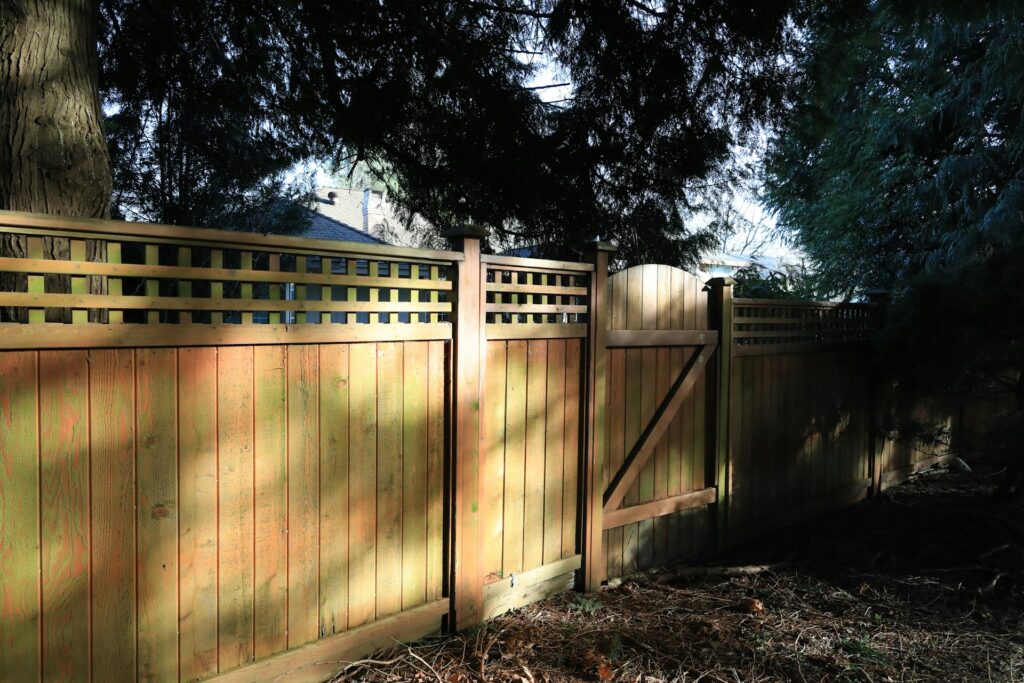
Quality fencing defines boundaries, offers privacy, and creates a cosy enclosure that’s both practical and attractive. Choosing the right supplier for garden fencing ensures durable, weather-resistant options tailored to UK gardens, enhancing longevity without breaking the bank.
Microclimate Mapping
Identify “hot spots” – south-facing walls for tender exotics, north sides for ferns. pH test kits reveal acidic/alkaline zones; amend with lime or compost accordingly. Note wet corners for bog plants, turning liabilities into assets.
Key Considerations for Assessing Your Space
- Measure dimensions accurately.
- Observe sunlight and shade patterns.
- Note wind directions and intensity.
- Evaluate soil quality and drainage.
https://unsplash.com/photos/a-bunch-of-flowers-that-are-in-a-vase-FWCNuqtGhek
Vertical Gardening: Utilising Height for Maximum Yield
Vertical gardening brilliantly tackles limited ground space by going upwards. Trellises, wall planters, and hanging pots support diverse plants, maximising yield. Opt for shallow-rooted varieties like herbs, strawberries, and climbers – they add visual layers too.
Modular wall systems – Pocket planters or recycled gutters create living murals – water from top to bottom via drip lines. Train annuals like sweet peas up netting for summer screens that double as pollinator magnets.
Living privacy walls – Espalier fruit trees against fences for edible barriers; pleached hazels form lofty canopies without width. Prune annually to maintain shape, yielding harvests in tight spots.
Container Gardening: Flexibility and Mobility
Containers bring unmatched flexibility to small plots, easily shifted for light or style changes. Select sizes, materials, and drainage for healthy growth; mix herbs, flowers, and veg for variety. This lets you experiment without permanent changes.
Grouping for impact – Cluster pots by height and colour on plinths – thrifters love £5 charity shop finds. Self-watering reservoirs cut chores by 70%; rotate quarterly for even wear.
Seasonal swaps – Winter: evergreen topiary; summer: tumbling petunias. Trolleys enable swift rearrangements, mimicking perennial borders.
Advantages of Container Gardening
- Easy relocation for optimal sunlight.
- Variety in plant selection and combinations.
- Minimal permanent changes to the plot.
- Simplified pest control and maintenance.
Creative Layouts: Designing for Functionality and Aesthetics
Smart layouts turn small gardens into multifunctional oases. Try tiered beds, circular designs, or winding paths to add interest and zones like seating or veg patches. Quality fencing provides structure and a backdrop that showcases your planting.
https://unsplash.com/photos/a-row-of-white-picket-fence-j3YXaR-tOac
Zoning with curves – Swooping lines soften edges; pebble rivers between beds guide flow. Built-in benches hug walls, freeing floor space.
Illusion techniques – Diagonal paving stretches vistas; pale gravel reflects light. Overhead sails cast dappled shade without bulk.
Incorporating Timber Solutions: Enhancing Small Garden Designs
Timber adds versatility and charm to small gardens. Use it for raised beds, benches, or borders – its natural look pairs perfectly with greenery and lasts for years. DIY fans can craft custom pieces for a personal touch.
Multi-use structures – Fold-down tables in planters; pallet compost bins that prettify chores. Pressure-treated FSC wood shrugs off rot.
Wildlife-friendly timber – Log piles for bugs, bird box mounts (timber habitats boost biodiversity scores).
Maintaining Your Small Garden: Tips for Success
Efficient maintenance keeps compact gardens thriving. Focus on regular watering, pruning, pest checks, and seasonal planning like crop rotation for sustainability.
Essential Maintenance Tips
- Implement a regular watering schedule.
- Practice strategic pruning for plant health.
- Monitor for pests and manage promptly.
- Plan seasonally for continuous productivity.
Transforming Small Spaces into Beautiful Gardens
Maximising a small garden demands creativity, planning, and quality tools. Assess wisely, go vertical or container-based, design cleverly, and add timber for polish – but true success comes from sustainable tweaks like companion planting to deter pests naturally and drip irrigation for water efficiency. Use mirrors or reflective surfaces to create depth illusions, while solar-powered path lights extend usability into evenings.
Opt for weatherproof lap panels for fencing from a reliable supplier for garden fencing to ensure sturdy boundaries that withstand UK rains. With these touches and boundless imagination, even minuscule plots evolve into vibrant retreats, lifting property appeal and daily joy.